



The Scraps Your Compost Pile Rejects: Bokashi Composting with TeraGanix
Scrape a plate of chicken and rice into a backyard heap and you have made a problem for yourself: flies, rodents, and a smell that carries down the yard. Dairy, fish, oily leftovers and cooked food behave the same way, which is how most of a real household's food waste ends up in the trash no matter how good the compost bin is. Bokashi gets around all of it by fermenting scraps in a sealed bucket, and the TeraGanix range on this page covers the whole process: the buckets, the bran that starts the fermentation, and two liquid concentrates aimed at the compost pile and at the soil.
How the Sealed-Bucket Method Works
Add a layer of food scraps, sprinkle bokashi bran over the top, press it down, close the lid. The microbes need an anaerobic environment, so the bin stays shut between feedings. Once it is full, leave it sealed for one to two weeks and drain the liquid that collects at the bottom every two or three days. White fungal growth on the surface is the signal that the bran is working.
That drained liquid is bokashi tea, and it is strong. Dilute it 100:1 with water before it goes anywhere near a plant, pour it onto the soil around the base rather than over the foliage, and keep it off young or tender plants even once diluted. Undiluted, the same liquid works as a drain cleaner or a weed suppressant.
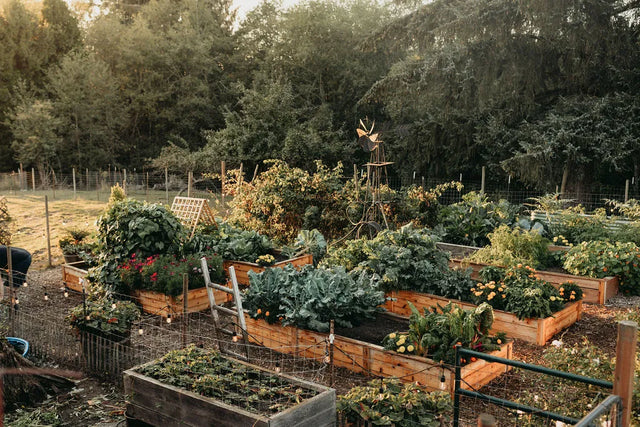
What comes out of the bucket is fermented pre-compost, not finished soil, and it is very acidic. TeraGanix is explicit about this: do not bury it directly beside a vegetable garden straight out of the bin. Add it to an existing compost pile, a worm bed, or a patch of bare soil, and it finishes decomposing in roughly another two weeks.
Which Bucket
The Bokashi Food Waste Recycling Starter Kit is the plainest of the three and the only one sold in a single configuration: two buckets, two easy-open flexible lids, 5 lbs of premium bokashi bran. One ferments while you fill the other, the continuous setup TeraGanix recommends, and the method is undemanding enough that elementary schools use it in composting programs.
The Essential Kitchen Bokashi Compost Bin holds 4.4 gallons and comes as a single bucket or a set of two, in black or light grey. It is made from 75% post-consumer recycled materials and arrives fully kitted: draining sieve, presser, dosage container, drain cup, spigot with two spare spigots, airtight lid, base, instruction manual, and a 1 lb bag of Premium Bokashi starter. The 2.5-gallon Organko-2 is the compact one, an airtight two-container design with a rubber press, strainer, dosage scoop, strap and easy-drain spigot, offered in olive, cream or cappuccino, and rated to produce compost in as little as 14 days.
The Bran, and the Two Liquids People Mix Up
Nothing ferments without the bran. Bokashi Bran is fermented bran carrying what TeraGanix calls Consortium Microbes plus beneficial bacteria, in 2 lb, 5 lb and 22 lb resealable pouches built with an oxygen barrier that holds the culture active for up to 12 months. It is not only a bucket product. Dig a hole into the middle of an outdoor heap, drop in a handful, tarp the pile, and leave it four or five days without turning.
Microbial Compost Activator: the outdoor liquid, for compost piles, bins, tumblers, worm farms and composting toilets. One 32 oz bottle, the only size, makes up to 22 gallons of activated solution and carries over 80 active ingredients.
Microbial Inoculant and Soil Amendment: the soil-side liquid, built on lactic acid bacteria, yeast and purple non-sulfur bacteria. An ounce makes a gallon, applied by watering can, sprayer or irrigation line. Four sizes run from a 16 oz bottle to a 5 gallon container, scaled to how much ground you are treating.