








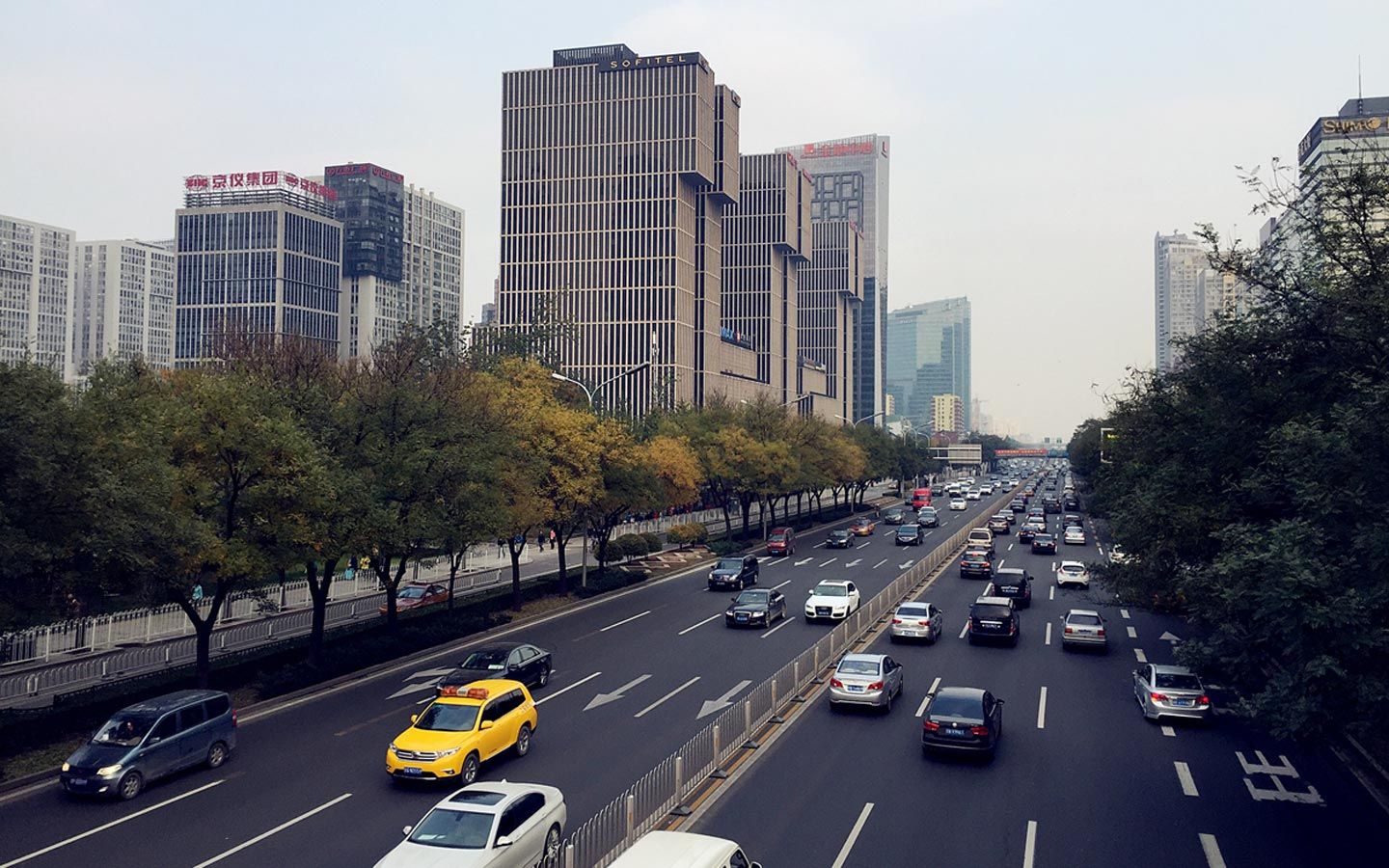
Next generation drivers may feel like chauffeur driven celebrities, enjoying the freedom of driving without the responsibility. Aspiring drivers may never face the dreaded ‘road test’, and road ragers of the future may have no one to rage at.
Google, the Silicon Valley tech giant and harbinger of all things possible, is now in active development of the self-driving car.
Google engineers have recently put 140,000 miles on a small fleet of driverless Toyota Prius hybrid cars. The cars are driven by an “electric brain” powered by software, linked to GPS satellite navigation and video cameras, radar sensors and a laser range finder to ’see’ other traffic, as well as detailed maps to navigate the road ahead.
Testing even included one 1,000-mile trip with no human input, as well as a trip down a stretch legendary for its steepness and twists, Lombard Street in San Francisco—as well as curvy California Highway One between there and Los Angeles.
And it’s legal, says Google. They studied up on California vehicle law and found that as long as the ‘driver’ in the vehicle can override the systems’ errors, they could test it on public roads.
Google claims to have had no accidents yet with the project, except when one car was rear-ended.
The prospect of a driver-less vehicle would be disconcerting for other drivers on the road, at least until such time as the technology becomes mainstream. So all of Google’s road tests have trained operators behind the wheel, ready to assume control should any glitch occur. Also on hand is a trained software operator in the passenger seat, said Google, “to monitor the software. Any test begins by sending out a driver in a conventionally driven car to map the route and road conditions. By mapping features like lane markers and traffic signs, the software in the car becomes familiar with the environment and its characteristics in advance.”

Google gave the New York Times a recent demonstration—which began at Google’s Mountain View, California, campus and included a merge onto busy freeway traffic, followed by an exit onto city streets with stoplights and crosswalks. The system alerts the human in the car when approaching crosswalks or about to make a turn, but otherwise pilots itself, and can be programmed to be cautious or aggressive.
The project is headed Sebastian Thrun, the director of the Stanford Artificial Intelligence Laboratory, Google engineer, co-inventor of the company’s Street View features, and 2005 winner of the Defense Advance Projects Agency Grand Challenge (DARPA), a robotic-car race.
The Google setup likely makes the test Prius look a bit like a police car from a distance, with a rotating lidar sensor that gets a three-dimensional map of surroundings; a video camera to see moving other moving objects; a position estimator; and several radar sensors.

The company has no clear business plan yet for the technology—a statement that’s almost expected for the company, which is known to greenlight projects for inspired scientists and engineers, then find out how to make money from it as a secondary step. So far, the strategy has worked well. Google co-founder Larry Page and developer Dr. Thrun share a belief that robotic vehicles could increase safety and reduce energy costs.
As the NYT suggests, there are plenty of legal and ethical questions to be answered before autonomous vehicles might become a reality—such as whether the person in the driver’s seat would need to be paying attention at all times, and in the case of an accident, would the occupant or the writer of the software be held accountable if something had gone wrong?
Ultimately, when further developed, the project could be used to help solve distraction issues—perhaps taking control when the driver is sleepy or doing something they shouldn’t be doing behind the wheel, like eating, drinking, or texting. Driverless cars could contribute to safer driving and more efficient use of cars and roadways while reducing the stresses associated with driving.
Drivers of the future may enjoy the ride without the responsibilities, similar to passengers today.