









Surprising results from a recent study at the Harvard School of Public Health have shown that volunteers who consumed one serving of canned soup a day for five days had a more than 1,200 percent increase in urinary BPA (Bisphenol A) over people who consumed fresh soup for the same period. The authors say their study is one of the few to measure human BPA levels after consuming canned products.
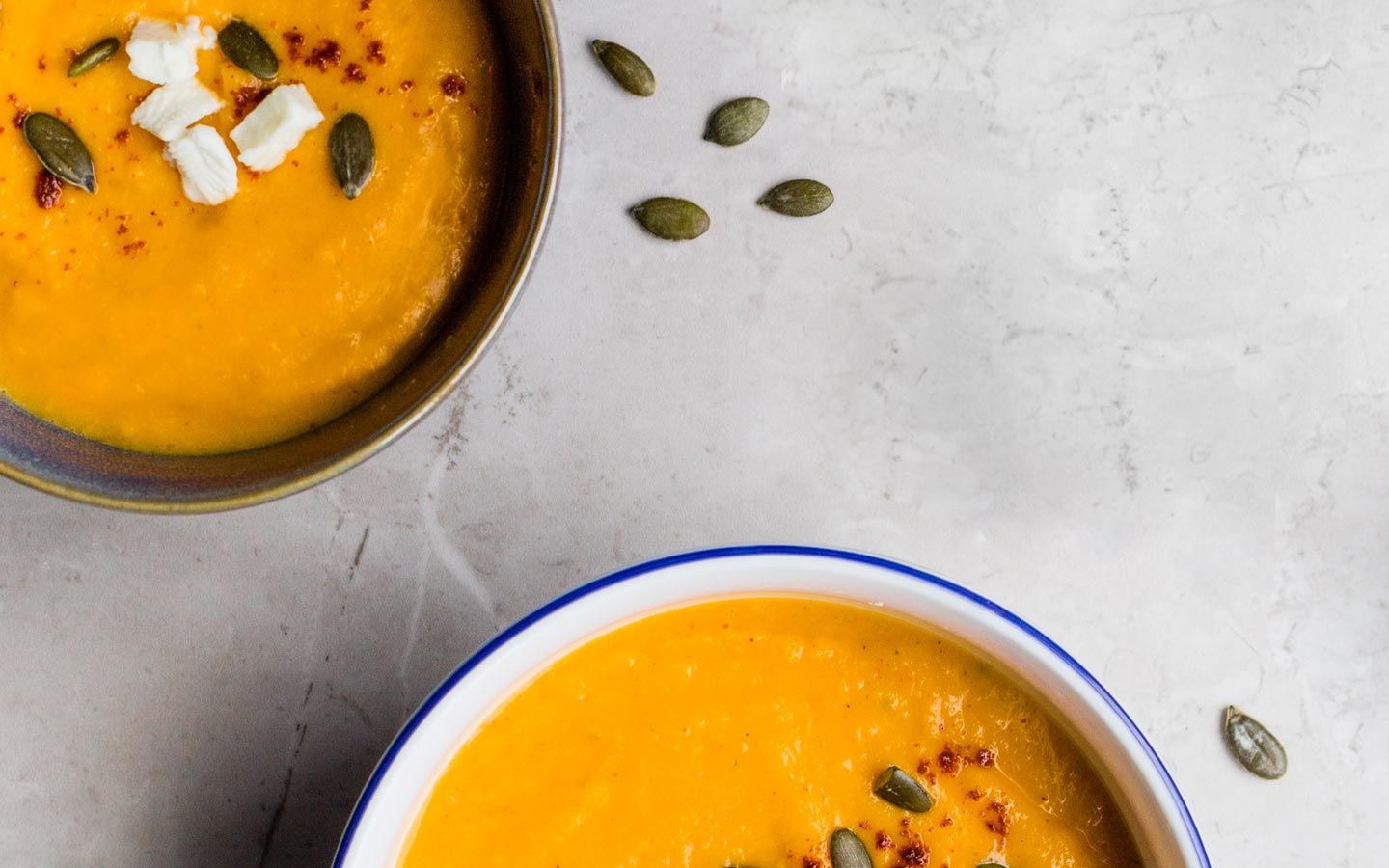
Study authors Jenny Carwile and Karin Michels divided test subjects into two groups and gave each group member a 12oz serving of vegetarian soup every day for five days. One group was given canned soup and the other was given fresh vegetarian soup. After a two-day “washout period,” the groups switched soups and repeated the test. The researchers found that urine samples collected from the canned soup group spiked 1,221 percent over BPA levels over samples collected from the fresh soup group.
Researchers have known for some time that drinking beverages which have been stored in certain hard plastics can increase the amount of BPA in the body, but this latest study suggests that canned foods may be an even greater concern, especially given their wide use. And while the authors noted that the elevated levels of BPA might be transient, associate professor Michels noted “It may be advisable for manufacturers to consider eliminating BPA from can linings.”

What is BPA?
BPA is an industrial chemical used to harden plastic and is found in products such as polycarbonate water bottles, dental sealants, food storage containers and the lining of metal food and beverage cans. There has been much controversy regarding the health effects of exposure to BPA, but the prevailing view seems to be that most people are exposed to very low levels of BPA and therefore need not be concerned.
There is a focus on pregnant women, newborns and infants, however, who seem to be most at risk to effects from BPA. BPA is a hormone disrupter which interferes with reproductive development in animals, including humans. Prenatal exposure to BPA has been associated with subsequent neurological difficulties. Elevated BPA levels in humans have also been associated with a higher risk of developing obesity, diabetes type 2, and cardiovascular diseases.

How to minimize exposure to BPA
Studies have shown the main sources of exposure to infants are from BPA migrating from the lining of cans into liquid infant formula and transferring from baby bottles into the liquid inside after adding boiling water. BPA-free baby bottles and water bottles are now widely available, and infant formula can be bought in BPA-free packaging.
Here are some measures you can take to minimize your exposure to BPA in foods.
- Choose safe plastics made without BPA, including those numbered 2, 4 and 5. Plastics potentially made using BPA include any marked with a 3, 6 or 7, or “PC”.
- Look for package claims like “BPA free”.
- Choose glass, porcelain, or stainless steel containers where possible, especially if they are going to be used with hot foods, acidic foods or liquids.
- Reduce your use of canned foods or chose brands that don’t have BPA liners. Generally, the more liquid in the can and the more acidic the food, the greater the chance of BPA leaching from the container into the food.
- Look for alternative packaging options to metal cans, for example:
- Choose tomato products and soups in glass jars or cartons, instead of cans.
- Choose fresh or frozen vegetables and fish rather than canned.
- Opt for wax paper or butcher paper instead of plastic wrap or bags.
Until the effects of BPA exposure on humans is better understood and quantified, it’s probably a good idea to prepare meals from fresh ingredients when possible, and limit the number of meals that come from cans.
The study was published online Nov. 21 in the Journal of the American Medical Association.