


By Greg Seaman
This guide walks home gardeners through how compost tumblers work, including how to set one up. It covers choosing the right size and type of tumbler, what materials to add, how often to turn your tumbler, and troubleshooting common problems like excess moisture.
Key takeaways
- Compost tumblers speed up decomposition resulting in faster composting. The easy rotation introduces oxygen to microorganisms more frequently than traditional piles.
- Balance materials and avoid overturning. Add kitchen scraps with carbon-rich materials like leaves or sawdust. Turn once or twice after each addition, but don't overmix as this prevents proper heating.
- Match tumbler size to your household. Choose capacity based on weekly waste production (2-4 gallons/week for 1-4 people) and consider dual-chamber models for continuous use.
Composting home and garden waste just got easier.
WHY USE A COMPOST TUMBLER? HOW COMPOST TUMBLERS WORK – THE SCIENCE BEHIND THE SPIN CHOOSING THE RIGHT TUMBLER FOR YOUR HOUSEHOLD SETUP & LOCATION – WHERE TO PLACE YOUR TUMBLER FOR BEST RESULTS WHAT TO COMPOST – MATERIALS, RATIOS & PREPARATION STARTING & MANAGING YOUR COMPOST – STEP-BY-STEP PROCESS COMPOSTING IN ALL SEASONS (INCLUDING WINTER) COMMON QUESTIONS ABOUT COMPOST TUMBLERS COMPOST TUMBLERS AT A GLANCE
Composting recycles food scraps and yard waste into important nutrients for your garden. Not only does composting help reduce methane production (making it climate-friendly), it also nourishes healthy soil and the creatures who live there.
The most fast-acting home compost piles are the ones that get turned regularly. All this turning brings oxygen to the microorganisms to help speed decomposition, but it can also be hard on the back. That’s where compost tumblers come in.
If turning compost isn’t your favorite pastime, you can still have quick and easy nutrients with a compost tumbler.
Why use a compost tumbler?
If turning compost isn’t your favorite pastime, you can still have quick and easy nutrients with a compost tumbler. Designed to take the work out of composting, tumblers are simple to operate and even faster to compost. Read on to learn how to make a compost tumbler work for you.

EZ Compost Wizard Jr. 7 Cubic Foot Compost Tumbler
Made from recycled materials, it delivers fast, low-maintenance composting.
Related: Compost Tumblers vs. Compost Bins – Pros and Cons
What is a compost tumbler?
A compost tumbler is a closed compost bin or drum that’s rotated to mix the contents inside. Some tumblers are mounted on an axis to make turning easy. Others are rolled on a sliding base or directly on the ground. The drum may consist of one or more chambers that you fill with kitchen scraps and other waste. The chambers are usually sealed, making them rodent and racoon proof.

How compost tumblers speed up decomposition – the science behind the spin
If you’ve ever wondered how to use a compost tumbler, you’re not alone. Many people opt for stationary bins when they first start composting but quickly consider compost tumblers for their ease and speed. Starting a compost tumbler is as easy as tossing in food waste and turning the crank.
Role of aeration & oxygen for microbes
When you rotate the drum of a compost tumbler, the waste ‘tumbles’ around, introducing air pockets to the decomposing matter inside. These air pockets provide oxygen for the microorganisms that help break down food waste and other organics, helping them do their job. They also prevent the odors caused by inadequate air supply.
Are compost tumblers faster?
Compost tumblers help create the ideal environment for decomposition. While many composting bins on the market today are extremely effective at breaking down waste, compost tumblers generally work faster. That’s because their easy-to-use design means they get rotated more often.
Choosing the right tumbler for your household
Here is our guide for using a compost tumbler for beginners.

Knowing how much waste your household produces is a good first step to choosing the right compost tumbler.
What size tumbler should you use?
There are as many compost tumbler designs as there are compost bins. The main thing to look for is a tumbler that’s durable, long lasting and sized appropriately for your household. Consider how many gallons of food waste you produce each week. Use that estimate to select the best for your family.
Should you use a single or dual-chamber composter?
Many compost tumblers come with two separate compartments: one for adding new material and another for old material that is full and decomposing. These are known as ‘continuous use composters’ because there is always space available.
If you’d like to use your compost tumbler on a continuous basis, be sure to choose a design with multiple chambers. If a single batch is enough for you, consider barrel-design tumblers. Most tumblers come with a recommended capacity to help make selecting the right fit easier. Here's a quick comparison:
|
Model |
Household Size |
Weekly Capacity |
Chambers |
Best For |
|
1-4 people |
2-4 gallons |
Dual |
Continuous composting |
|
|
4+ people |
6-8 gallons |
Dual |
Continuous composting |
|
|
Varies |
Varies |
Single |
Batch composting |

A single chamber compost tumbler (left) like the EZ Compost Tumbler, processes compost all at once. A dual-chamber model (right), like this Jora JK 125, processes one batch while you add to another. Where should you locate your compost tumbler?
Setup & location – where to place your tumbler for best results
Like a stationary compost bin, tumblers do best when located in dappled sun or shade. That’s because the sun can distort plastic components. Over time, this may prevent them from fitting together properly. Sunlight and heat can also dry out composting materials. While this is less likely to happen in a sealed tumbler, locating your composter in the shade will usually extend its life.
Storing your compost tumbler
Models with metal components will last longer if protected from rain. Storing them under the eaves of a garden shed will prevent rusting and add years to the composter’s life. If you want to put your tumbler inside a garage or outbuilding, just remember it may leak liquid onto the floor. Placing a tray beneath the drum will help catch any spills.
What to compost – materials, ratios & preparation
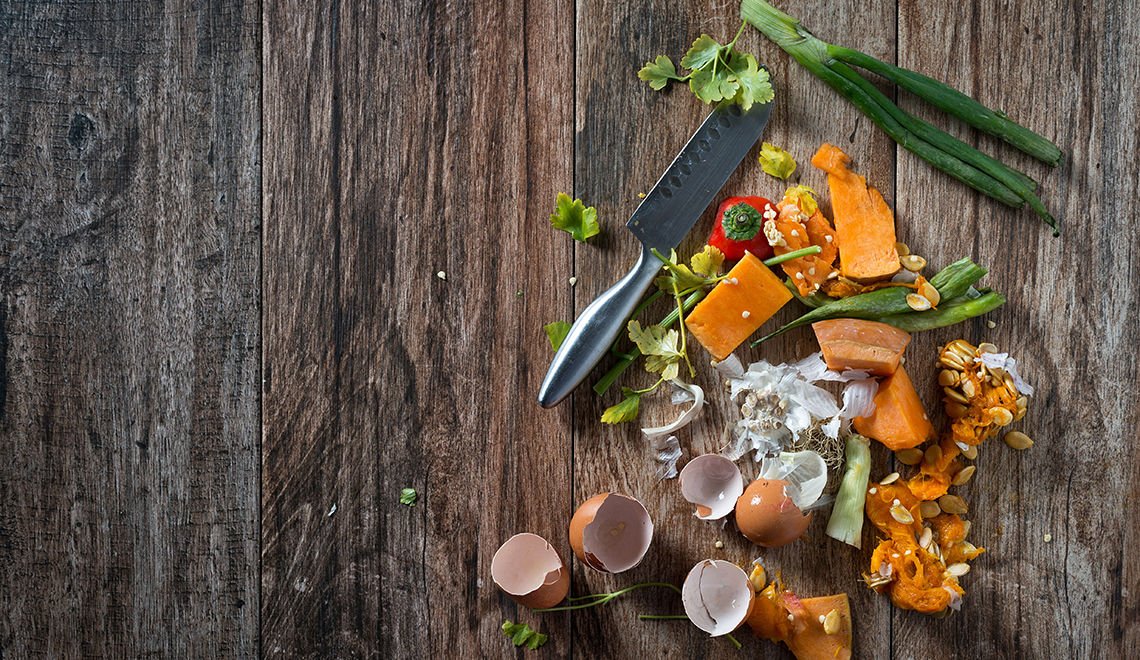
One of the biggest questions people have when starting a compost tumbler is simply, what can I put in it? The good news is that most everyday kitchen scraps and yard waste are perfect for tumbling compost. This includes fruit and vegetable scraps, paper scraps, yard trimmings, and more.

What should you put in your compost tumbler? Kitchen waste, paper scraps, and yard trimmings are all great choices!
What should I put in my tumbler first?
Some people recommend adding ‘starter’ to a new compost pile to help kickstart the process. We find it’s equally effective to use a handful of old compost, manure or yard dirt rich in organic matter to your first batch.
The microorganisms in this material will inoculate your compost and help it decompose more efficiently. You won’t need to add anything to future loads, because these natural helpers will have set up shop in your tumbler.
Starting & managing your compost – step-by-step process
- Toss in a handful of dirt or finished compost with kitchen scraps. Add raked leaves or sawdust to balance the load.
- Feed your tumbler every 1 to 2 days until the chamber is about 4 inches (10 cm) from the top.
- You can add grass clippings to the tumbler as well, but take care to sprinkle these in with other materials to prevent matting. A matted mass takes longer to break down and tumbling won’t help.
Should you cut up your compost?
A tumbler will work faster if you roughly chop your scraps. Here is a simple way to do this:
- Cut vegetable, fruit and flower/plant refuse into pieces about 1 to 2 inches (4 to 6 cm).
- Tear or shred paper scraps.
- Avoid adding plants or shrubs with very woody stems.
Can you put meat or cooked food into a compost tumbler?
In many cases, yes you can. Compost tumblers work differently than stationary bins and can accommodate a wider range of kitchen waste. The Jora models effectively compost meat, fish, bread, cooked food and even wood-pellet cat litter. Other models have specific recommendations. Be sure to read your instruction manual carefully.
How often should you turn a compost tumbler?
It’s easy to turn your tumbler each time you add compost. That way you can be sure that your food waste is breaking down. Here are the steps to do this:
- Open the lid
- Pop in your green waste
- Add any brown material that you have handy. Raked leaves or sawdust are excellent choices.
- Replace the lid and spin the drum one or two times to help aerate the mix. Just don’t overmix: too much turning can prevent your compost from heating up, slowing down the decomposition process.

Add absorbent materials high in carbon to your compost tumbler to help waste compost quickly without getting too wet.
Composting in all seasons (including winter)
While most composters slow down in the winter months, they don’t have to stop completely. Consider your climate and the average day and nighttime temperatures.
Decomposition stops when your pile freezes completely. Even then, decomposers like bugs and worms may keep working in the center of a pile. That’s where warmth keeps things above average temperatures.
Common questions about compost tumblers
What is the best thing to put in a compost tumbler?
The best thing to put in a tumbler is kitchen waste, coffee grounds, soft plant trimmings, raked leaves, grass clippings and shredded (and unbleached) paper products. To help your compost along, fill your tumbler with the right amount of green and brown waste according to your manufacturer’s instructions. (Autumn leaves are a great brown material for winter composting.) Use an insulated tumbler, feeding it regularly and checking to make sure it doesn’t get waterlogged or too dry.
Related: Use Autumn Leaves to Keep Your Composter Working Through the Winter
What shouldn’t you put in a compost tumbler?
Some tumblers aren’t meant for breaking down grains, beans, cooked food, fats, oils, animal products or pet waste. Others can successfully break down many of these materials. Follow the instructions from your chosen tumbler for the best chance of success.
What is a dual-batch compost tumbler?
A dual batch composter is a compost tumbler with two chambers. Fill one up, then move on to the second one while the first one rots. Presto! You’re never without a place to put your food waste.
What are the main problems with a compost tumbler?
Since compost tumblers are sealed units, very little evaporation takes place as your scraps are breaking down. This means they can get waterlogged if you load them with too much food waste and not enough absorbent material.
The simple solution is to add sawdust, dry leaves, shredded paper or coconut coir to your tumbler. These materials will help absorb moisture and balance your compost’s carbon to nitrogen ratio.

Coconut Coir
Related: How to Choose the Right Composter
Are compost tumblers worth it?
Yes. Compost tumblers are clean, easy to use, and vermin proof. Their compact design makes them both tidy and effective. And the finished compost is worth its weight in gold for gardeners.
Where to buy compost tumblers
Check out the full line of tumblers in our shop, including dual-chamber, insulated, metal, and plastic models.
Compost tumblers at a glance
- Choosing your tumbler: Select size based on weekly waste production (2-4 gallons for 1-4 people with a small tumbler; 6-8 gallons for larger households)
- Chamber options: Dual-chamber models allow continuous use (fill one while the other decomposes); single-chamber processes one batch at a time
- Location: Place in dappled sun or shade to prevent plastic distortion and extend tumbler life; protect metal parts from rain when possible
- Getting started: Add a handful of old compost, manure, or organic-rich soil to introduce beneficial microorganisms; follow with kitchen scraps, leaves, and sawdust
- What to add: Kitchen waste, coffee grounds, soft plant trimmings, leaves, grass clippings, shredded paper; some models accept meat, fish, bread, and cooked foods (check manufacturer guidelines)
- Prep work: Cut materials into 1-2 inch pieces for faster decomposition; tear or shred paper scraps
- Turning frequency: Rotate drum 1-2 times each time you add materials; avoid over-mixing as it can prevent proper heating
- Moisture balance: Add absorbent materials like sawdust, dry leaves, shredded paper, or coconut coir to prevent waterlogging
- Winter composting: Use insulated tumblers, add autumn leaves as brown material, and maintain regular feeding to keep decomposition active
- Filling guide: Feed tumbler every 1-2 days until chamber is about 4 inches from the top