


Water conservation has become essential in all regions, even where water seems abundant. That’s because our water resources are finite, and they are getting smaller every year. Learn how to conserve water, both indoors and in your garden and yard.
Why Conserve Water?
In addition to saving money on your utility bill, water conservation helps prevent water pollution in nearby lakes, rivers, and local watersheds. Conserving water also prevents greenhouse gas emissions associated with treating and distributing water.
Conserving water can also extend the life of your septic system by reducing soil saturation and reducing pollution due to leaks. Overloading municipal sewer systems can also cause untreated sewage to flow to lakes and rivers. The smaller the amount of water flowing through these systems, the lower the likelihood of pollution. In some communities, costly sewage system expansion has been avoided by community-wide household water conservation.
If you’ve ever wondered how to save water at home, let’s get started.
Water conservation methods in the home ...
One of the simple ways to save water is to upgrade to efficient fixtures. But there are other ways to help reduce the amount of water you use at home.
Toilets
Don’t use the toilet as an ashtray or wastebasket
How can we conserve water? Every time you flush a cigarette butt, facial tissue, or other small bit of trash, you’re wasting gallons of water. Put them in the garbage, or better yet, recycle.
Put plastic bottles or a float booster in your toilet tank
To cut down on water waste, put an inch or two of sand or pebbles inside each of two plastic bottles. Fill the bottles with water, screw the lids on, and put them in your toilet tank, safely away from the operating mechanisms. Or, buy an inexpensive tank bank or float booster. This may save ten or more gallons of water per day. Be sure at least three gallons of water remain in the tank so it will flush properly. If there is not enough water to get a proper flush, users will hold the lever down too long or do multiple flushes to get rid of waste. Two flushes at 1.4 gallons are worse than a single 2 gallon flush.
Buy an adjustable toilet flapper
Installing an adjustable toilet flapper will allow for adjustment of each per flush use; the user can adjust the flush rate to the minimum per flush setting that achieves a single good flush each time.
Install low or dual flush models
Federal regulations state that new toilets must use no more than 1.6 gallons per flush. Replacing an old toilet with an ultra-low volume (ULV) 1.6 gallon flush model represents a 70% savings in water and will cut indoor water use by about 30%. Alternatively, consider purchasing a dual flush toilet or installing dual flush converter that turns a standard toilet into a dual flush toilet, saving an average family 15,000 gallons of water each year. More water can be used when it’s needed, but for most flushes you’ll be using 70% less, adding up to some significant water savings.
Install composting toilets
Composting toilets are the most effective way to cut water waste from your bathroom since they require no water at all! Better still, they keep all the nutrients and pollutants out of waterways and make them available for use in non-food landscapes. Check codes in your area to be sure they’re legal before installing one. Read our article about composting toilets to find out if they’re right for you.
Laundry
Use Clothes washer for only full loads
No list of water conservation tips would be complete without considering the laundry room. With clothes washers, avoid the permanent press cycle, which uses an added 5 gallons (20 liters) for the extra rinse. For partial loads, adjust water levels to match the size of the load.
Consider a high efficiency washing machine
The most efficient washing machines use as little as seven gallons per load, compared to a whopping 54 for a traditional washer. A high efficiency (HE) washer should easily pay for itself over its lifetime in water and energy savings. New Energy Star rated washers use 35 – 50% less water and 50% less energy per load. If you’re in the market for a new clothes washer, read our article about water-saving frontload washers.
Shower
Install water-saving showerheads, timers, and low-flow faucet aerators
When considering ways to save water at home, inexpensive, water-saving, low-flow showerheads or restrictors are easy for the homeowner to install. Long showers can use five to ten gallons every unneeded minute. “Low-flow” means it uses less than 2.5 gallons per minute. You can easily install a ShowerStart, which automatically pauses a running shower once it gets warm.
Take shorter showers
One way to cut down on water use is to turn off the shower after soaping up, then turn it back on to rinse. A four-minute shower uses approximately 20 to 40 gallons of water. You can also install a simple shower timer, available from your local water utility or hardware store.

Faucets and sinks
Fit household faucets with Aerators
This easy and effective water saving tip is also the cheapest! A simple low-flow aerator saves water in the bathroom.
Turn off the water after you wet your toothbrush
There is no need to keep the water running while brushing your teeth. Just wet your brush and fill a glass for mouth rinsing.
Rinse your razor in the sink
Fill the sink with a few inches of warm water. This will rinse your razor just as well as running water, with far less waste of water. Water conservation techniques like this are simple to implement.
Minimize kitchen sink garbage disposal
In-sink ‘garburators’ require lots of water to operate properly, and also add considerably to the volume of solids in a septic tank, which can lead to maintenance problems. Start a compost pile as an alternate method of disposing food waste.
Opt for the dishwasher over hand washing
It may seem counterintuitive, but it turns out washing dishes by hand uses a lot more water than running the dishwasher, even more so if you have a water-conserving model. The EPA estimates an efficient dishwasher uses half as much water, saving close to 5,000 gallons each year.
When washing dishes by hand, don’t leave the water running for rinsing
If your have a double-basin, fill one with soapy water and one with rinse water. If you have a single-basin sink, gather washed dishes in a dish rack and rinse them with a spray device or a pan full of hot water. Dual-swivel aerators are available to make this easier. If using a dishwasher, there is usually no need to pre-rinse the dishes.
Don’t let the faucet run while cleaning vegetables
Just rinse them in a stoppered sink or a pan of clean water. This is one of many water conservation strategies.
Keep a bottle of drinking water in the fridge
Looking for more steps to conserve water? Running tap water to cool it off for drinking water is wasteful. Store drinking water in the fridge in a safe drinking bottle. If you are filling water bottles to bring along on outdoor hikes, consider buying a personal water filter, which enables users to drink water safely from rivers or lakes or any available body of water.
Leaks
Check faucets and pipes for leaks
A small drip from a worn faucet washer can waste 20 gallons of water per day. Larger leaks can waste hundreds of gallons. Some faucet leaks are easily spotted, but others take a little more effort to locate. Dry sinks and tubs thoroughly and allow to sit for an hour. If you notice wetness, you’ve found a leak. To find leaks from faucet handles, dry the area around them before running water. You’ll see water collecting next to them if there’s a leak.
Check your toilets for leaks
Put a little food coloring in your toilet tank. If, without flushing, the color begins to appear in the bowl within 30 minutes, you have a leak that should be repaired immediately. Most replacement parts are inexpensive and easy to install.
Use your water meter to check for hidden water leaks
Read the house water meter before and after a two-hour period when no water is being used. If the meter does not read exactly the same, there is a leak.
Extending your conservation measures
Insulate water pipes
It’s easy and inexpensive to insulate your water pipes with pre-slit foam pipe insulation. You’ll get hot water faster plus avoid wasting water while it heats up.
Recycle water
Collect the cold water you run before it’s hot enough to shower and use it to water plants or flush the toilet (known as a bucket flush). Rinse water from dishes and food preparation can be collected and used to soak other dishes.
Eat less water-intensive foods
Our diets account for roughly half of all the water we use. All food has a water footprint, but some are much larger than others. Eating less beef, one of the most water-intensive foods, is a smart place to start. Shifting away from animal products to a plant-based diet can shrink your water footprint significantly.
Buy less
Consumer products are an often-overlooked source of water use, accounting for up to a third of most people’s water footprint. Buying less of everything—from clothing to electronics to household goods—can dramatically decrease your water footprint.
For more information about the thirstiest appliances in your home and how to reduce their water usage, read Top 5 Water Wasters in Your Home.
Water conservation in the yard and garden ... outside your home
Don’t run the hose while washing your car
Water conservation ideas extend to the outdoors. Clean your car using a pail of soapy water. Use the hose only for rinsing; this simple practice can save as much as 100 gallons when washing a car. Use a spray nozzle when rinsing for more efficient use of water. Better yet, use a waterless car washing system; there are several brands, such as Eco Touch, which are now on the market.
Use a broom, not a hose, to clean driveways and sidewalks
Blasting leaves or stains off your walkways with water is one way to remove them, but brushing with a broom to first loosen the dirt and grime will decrease your water use and save you time in the long run.
Cover swimming pools
Swimming pools can lose an inch or more of water each week to evaporation. Temperature, humidity, wind, and the way the pool is situated can all affect how quickly water evaporates. To save thousands of gallons of pool water each season, get a cover for your pool.
Check for leaks in pipes, hoses, faucets and couplings
Leaks outside the house may not seem as bad since they’re not as visible. But they can be just as wasteful as leaks indoors. Check frequently to keep them drip-free. Use hose washers at spigots and hose connections to eliminate leaks.
Reuse wastewater where possible
“Grey water” is the water draining from your house’s sinks, bathtubs, and laundry machine, which can be used to water plants (as opposed to “black water” from toilets, which needs to be treated).
You can harvest grey water in a small way with a bucket in your kitchen or shower, or install a grey water system, which reroutes water from your drains to your landscape. Though not yet legal everywhere, codes are changing to allow more people to take advantage of this source of otherwise wasted water. The simplest systems harvest only water from the washing machine, which can add up to thousands of gallons per year. If you use grey water in your landscape, be sure to use only eco-friendly and plant-based soaps and cleaners in your home so you’re not dousing your plants with industrial chemicals.

Vegetable garden
Maintain irrigation systems
Water conservation practices include where we water. If you use an irrigation system, check that it’s operating correctly toward the beginning and end of each season. Clear any visible clogs, and adjust the settings according to the needs of your plants and the time of year. Plants will need less water in cooler weather and more in hotter weather, and correct settings will not only save water but ensure that plants are getting the right amounts. Also be sure the timer waters in the morning to reduce loss to evaporation and prevent moisture from staying on plants overnight.
Water during the early parts of the day; Avoid watering when it is windy
Early morning is generally better than dusk since it helps prevent the growth of fungus. Early watering and late watering also reduce water loss to evaporation. Watering early in the day is also the best defence against slugs and other garden pests. Try not to water when it’s windy: wind can blow sprinklers off target and speed evaporation. An automated watering system with a built-in moisture sensor can help ensure you’re only watering when necessary and at the most efficient time of day. If you’re using a timer, consider adding a rain or moisture sensor to avoid watering unnecessarily.
Add organic matter to your farden beds
Adding organic material to your soil will help increase its absorption and water retention. Areas that are already planted can be ‘top dressed’ with compost or organic matter every year. Turn a healthy dose of compost into new garden beds when preparing the soil for planting.
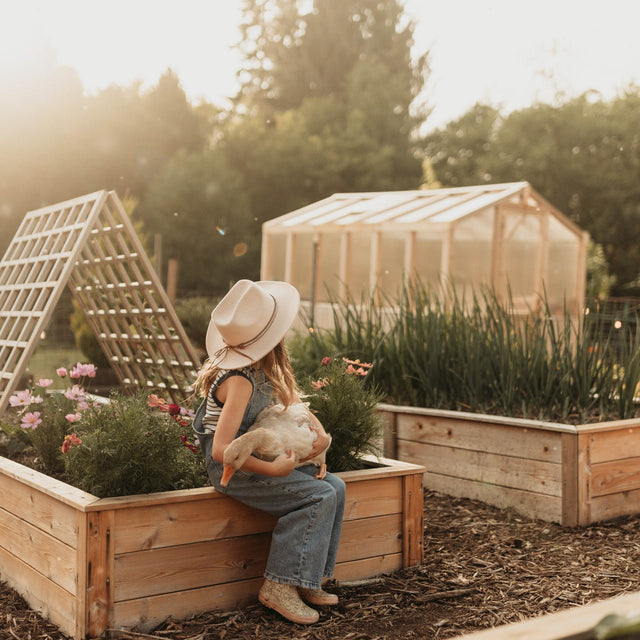
Harvest rainwater for watering vegetable beds
Use rain barrels or a catchment system to capture valuable rainwater from your roof. Plants prefer untreated water, so your garden will be healthier while you cut your water bill.
Use a soil moisture meter
Avoid over- or under-watering your garden with a simple-to-use soil moisture meter. The meter quickly lets you know whether the soil is dry, so you only need to water when the plant actually needs it.
Control weeds to reduce competition for water
Weeds use water, too! If you don’t weed, the garden invaders will take up water meant for your plants. A good layer of mulch around your plants not only conserves soil moisture but helps keep weeds under control.

Lawns and shrubs
Plant drought-resistant lawns, shrubs and plants
If you are planting a new lawn, or overseeding an existing lawn, use drought-resistant grasses such as “Eco-Lawn”. Many beautiful shrubs and plants thrive with far less watering than other species. Replace herbaceous perennial borders with native plants.
Native plants will use less water and be more resistant to local plant diseases. Consider applying the principles of xeriscape for a low-maintenance, drought resistant yard. Plant slopes with plants that will retain water and help reduce runoff.
Group plants according to their watering needs.
Mulch trees and plants
Mulch will slow evaporation of moisture while discouraging weed growth. Adding 2 – 4 inches of organic material such as compost or bark mulch will increase the ability of the soil to retain moisture. Press the mulch down around the drip line of each plant to form a slight depression, which will prevent or minimize water runoff.
Learn more about different mulch materials and their best use.
Position sprinklers carefully
If you have to use sprinklers, position them so water lands on the lawn or garden, not on paved areas. Also, avoid watering on windy days.
Water lawns rarely
A good way to see if your lawn needs watering is to step on the grass. If it springs back up when you move, it doesn’t need water. If it stays flat, the lawn is ready for watering. Letting the grass grow taller (to 3″) will also promote water retention in the soil.
Most lawns only need about 1″ of water each week. During dry spells, you can stop watering altogether and the lawn will go brown and dormant. Once cooler weather arrives, the morning dew and rainfall will bring the lawn back to its usual vigor. This may result in a brown summer lawn, but it saves a lot of water. You can also replace thirsty Kentucky bluegrass lawns with Eco-Lawn, a grass seed mix that lowers your lawn’s water needs by over 85%.
Deep-soak your lawn
When watering the lawn, do it long enough for the moisture to soak down to the roots where it will do the most good. A light sprinkling can evaporate quickly and tends to encourage shallow root systems. Put an empty tuna can on your lawn – when it’s full, you’ve watered about the right amount. Most lawns want about an inch of water per week, so note how much rain fell and add water accordingly. Visit our natural lawn care page for more information.
Use efficient watering systems
You can greatly reduce the amount of water used for shrubs, beds, and lawns by strategically placing soaker hoses installing a rain barrel water catchment system;
or installing a simple drip-irrigation system. For trees and woody shrubs, consider deep watering with slow-delivery irrigation like tree-ring soaker hose. Be sure to avoid over-watering plants and shrubs, since this can diminish plant health and cause yellowing of the leaves. When hand watering, use a variable spray nozzle for targeted watering.
Plant in ‘hydro-zones’
Grouping plants with similar water needs means you won’t be wasting water on plants that don’t need it. Keep your water-wise and xeriscaped plants together, and do likewise with thirstier plants. Water only certain zones regularly, while watering drought-tolerant plantings less frequently.
Plant trees for shade
In addition to making your house cooler and storing carbon, adding shade trees can lessen the need for watering. By protecting plants and soil from the afternoon sun, shade trees help conserve water.
Water conservation summary
In 1990, 30 states in the US reported ‘water-stress’ conditions. In 2000, the number of states reporting water-stress rose to 40. In 2009, the number rose to 45. There is a worsening trend in water supply nationwide. Taking measures at home to conserve water not only saves you money, it also is of benefit to the greater community.
Saving water at home does not require any significant cost outlay. Although there are water-saving appliances and water conservation systems such as rain barrels, drip irrigation and on-demand water heaters which are more expensive, the bulk of water saving methods can be achieved at little cost.
By using water-saving features you can reduce your in-home water use by 35%. This means the average household, which uses 130,000 gallons per year, could save 44,00 gallons of water per year.
For example, 75% of water used indoors is in the bathroom, and 25% of this is for the toilet. The average toilet uses 4 gallons per flush (gpf). You can invest in a ULF (ultra-low flush) toilet which will use only 2 gpf. But you can also install a simple tank bank, costing about $2, which will save .8 gpf. This saves 40% of what you would save with the ULF toilet. Using simple methods like tank banks, low-flow showerheads and faucet aerators you can retrofit your home for under$50.
By using water-saving features you can reduce your in-home water use by 35%. This means the average household, which uses 130,000 gallons per year, could save 44,00 gallons of water per year. On a daily basis, the average household, using 350 gallons per day, could save 125 gallons of water per day. The average individual, currently using 70 gallons per day, could save 25 gallons of water per day.
When buying low-flow aerators, be sure to read the label for the actual ‘gpm’ (gallons per minute) rating. Often, the big box retailers promote “low-flow” which are rated at 2.5 gpm, which is at the top of the low-flow spectrum. This may be needed for the kitchen sink, but we find that a 1.5 gpm aerator works fine for the bathroom sink and most water outlets, delivering the same spray force in a comfortable, soft stream. Eartheasy’s online store carries a full range of low-flow aerators and showerheads.
Finally, it should be noted that installing low-flow aerators, showerheads, tank banks and other water-saving devices usually is a very simple operation which can be done by the homeowner and does not even require the use of tools. Water conservation at home is one of the easiest measures to put in place, and saving water should become part of everyday family practice.
Related Eartheasy pages:
Water Conservation: Products for Home and Yard
Xeriscape: Water-Saving Landscaping
Low-flow Aerators and Showerheads
Frontload-Washers: Water-Saving Washing Machines
Drip-Irrigation
Related websites
‘WaterWise’ Water Calculator
EPA WaterSense
The Water Content of Things
Our Water, Our Future
The Water Project