





Air conditioners can use up to 1/6th of U.S. electricity and, on hot summer days, consume 43% of the U.S. peak power load. According to the US Department of Energy, heating and cooling systems emit over a half billion tons of carbon dioxide into the atmosphere each year, adding to global warming. They also generate about 24% of the nation's' sulfur dioxide, a chief ingredient in acid rain.
Much of the cost of cooling your home can be saved by passive cooling techniques which don’t require expensive retrofits or professional installations. Here are suggestions for free, or low-cost, ways to cool your home with less impact on the environment and your energy bill.
Blocking the Heat
The most effective ways to block heat from entering your home are insulation, reflective barriers and shading.

Insulation
Insulating, caulking and weatherstripping are essential to keeping your home warm in cold climates, but they also help keep your home cool in hot weather. The attics of most homes absorb heat through the roof, and insulating the attic floor will keep this heat from radiating down into the house. Fiberglass insulation, at least R-30, is easy to install. The cost will be recouped quickly in lower energy bills throughout the year.
Caulking and weatherstripping doors and windows will also prevent warmer outside air from seeping into your home. The cost of these materials is very low and application is simple.
“Another idea for the cooling of a house or apartment: After I wash my clothes, I hang them either on the frame of an open door or window. This causes a natural cooling effect. Natural air conditioning takes place!” – D. Daniel
Reflective Barriers
An important consideration in passive cooling is house color. Dark-colored home exteriors absorb 70% to 90% of the radiant energy from the sun that strikes the home’s surfaces. Some of this absorbed energy is transferred into your home by way of conduction, resulting in heat gain. In contrast, light-colored surfaces effectively reflect most of the heat away from your home.
Another method for reflecting incoming heat is to install a radiant barrier. This foil-faced paper can be stapled to the roof rafters on the underside of your roof. To install, start by placing a few planks over the ceiling joists, which are the ‘floor’ of the attic; these serve as foot-boards to stand on while stapling the foil to the rafters above. You’ll have to move the foot-boards as you progress. Be careful not to step between the ceiling joists or you may fall through the ceiling; also be careful to not step near the ends of the foot boards or they’ll flip up. When stapling the foil to the rafters, space the staples about 2 to 3 inches (5 to 8 cm) apart to prevent air circulation from loosening or detaching the radiant barrier.
Shading
Shading is the simplest, most effective way to cool your home and reduce energy consumption. Up to 40% of the costs of cooling can be saved by shading techniques such as landscaping, and working the drapes and blinds.

1. Landscaping
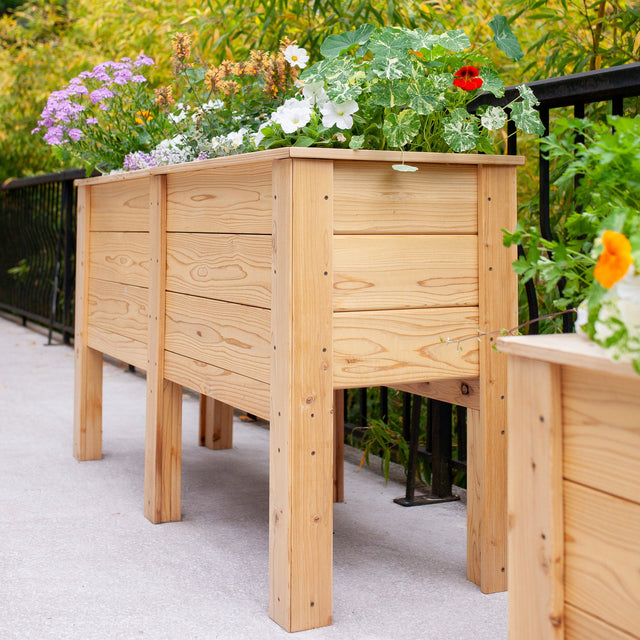
Trees, vines and shrubs can be used to shade your home and reduce your energy bills. Trees or shrubs can also be planted to shade air conditioning units, but they should not block the airflow.
-
Trees
The U.S. Department of Energy estimates that just three trees, properly placed around the house, can save an average household between $100 and $250 in energy costs annually. To be most effective, trees should be strategically located on the south and west sides of your home.Deciduous trees are best, because they shade in summer and allow light and radiant heat to pass through in the winter. When choosing deciduous trees, ask your local nursery to recommend varieties which are native to your environment, fast growing and tall enough to be effective.
-
Vines
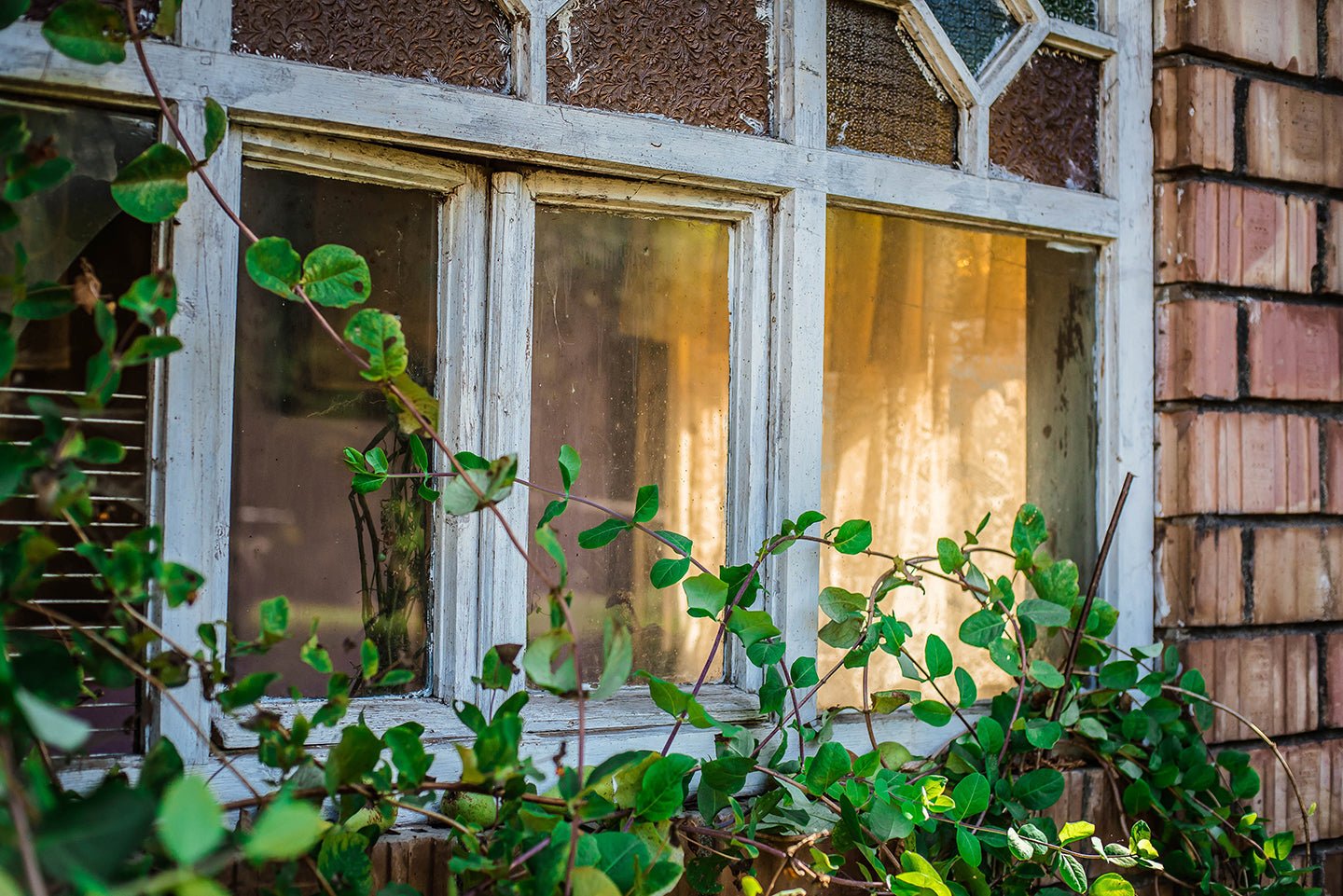
Provide shading and cooling, and are quick to grow. Trellises should be placed on the hottest side of the house, and blocked out at least 6″ from the wall to protect the wall and provide a buffer of cool air.Certain vines, such as deciduous clematis and wisteria, grow well in containers where open ground is unavailable. Ask your local nursery which vines are best suited to your climate and needs.
-
Shrubs
Protect the lower portions of walls from heat gain by blocking sunlight. They also act as a windbreak in winter to help protect the house from cold air. Choose shrubs which are low maintenance and grow to a fixed height. Local varieties will do best.Take care to locate trees or large bushes where their roots will be clear of underground wires, sewer lines or septic tanks, or the house foundation.
Rock walls, paved areas and rock features should be kept to a minimum on south and west sides of the home, because they increase temperatures by radiating heat.

2. Drapes and Blinds
Drapes and curtains made of light-colored fabrics reflect much of the sun’s rays and help reduce heat gain. The tighter the curtain is to the wall, the better it will reduce heat gain. Two-layered drapes are most effective for both summer cooling and winter heating. Blinds, although not as effective as drapes, can be adjusted to let in some light while reflecting the bulk of the sun’s heat. The more reflective side of the blinds should face outward.
Close south and west-facing curtains during the day for any window that gets direct sunlight.
3. Shade Screens
Exterior shade screens, also called “sun screens” “shade cloths” or “solar shields”, prevent sun from entering a window. These can be installed on windows exposed to direct sunlight. Shade screens are lightweight, durable and easy to install. Bamboo blinds can also be used as shade screens.
Unlike insect screens, shade screens are specially made to block between 50 and 90 percent of the energy striking the outside of the window. The term “shading coefficient” describes the amount of heat that penetrates the screen: lower numbers mean less energy gets through. While you can see through a shade screen, the view is obscured.
Removing Interior Heat
Thermal Chimney
Open the lowest windows on the side from where the breeze is coming. Leave interior doors open, and open the upstairs windows on the opposite side of the house. The warm air in your house will draw upwards and out the upper window, an effect called ‘thermal siphoning’. This is most effective when the inside temperature is higher than the outside temperature.
“My home has a large southern exposure – with baking sun almost all day. Last summer I purchased fabric called “black out”. I made tight fitting blinds with the fabric and fitted them into all the south facing windows with tension rods. We do have some shade from trees but these blinds reduced my energy bill by 25% from the previous year. The fabric is available at fabric stores.” – Suzi M.
Roof Vents
Ventilating your attic greatly reduces the amount of accumulated heat which otherwise radiates down into your house. Roof vents are inexpensive ($5 to $10 each) and easy to install. They should be located at each end of the roof and every 12′ between ends. Installing roof vents will not make your house cooler in winter; they will help remove moisture from the attic.
Ridge Vent
For even more effective attic ventilation, a continuous ventilation system, Coolvent, can be installed along the ridge, beneath the ridge shingles. Coolvent is lightweight and durable, and it eliminates the need for turbines or louvered vents. It’s also designed to keep out bugs and wind-driven rain.
Coolvent comes in 20′ rolls, in several different widths, and can be installed by the homeowner on new roofs or as an easy re-fit to existing shingle-style roofs. With re-fits, you can lift the ridge shingles without damaging them by working in cool weather or early in the day. Coolvent is available in building supply stores throughout the US and Canada. Cost is approximately $30 (US) per roll.
Ceiling Fans
Ceiling fans are efficient and use little electricity, less than 1/10th the wattage of air conditioners. Cost to run is approximately $1.50 per month vs. $20 per month for air conditioners. Ceiling fans can also be used with the air conditioner. The thermostat can be set 9 degrees F higher, for the same resulting temperature. This represents a savings of 30% of air conditioning costs and energy consumption. Make sure your ceiling fan is turned for ‘summer’ – You should feel the air blown downward.
Ceiling fans are becoming popular as people become aware of the cost-savings benefits they offer. Available in lighting, hardware and home supply stores, many models are available with reverse rotation which can be used in winter to pull warm air down from the ceiling. Installation is fairly easy, within the skill level of the average home handyman.
Programmable Thermostats
You can save as much as 10% a year on your heating and cooling bills by turning your thermostat back 10% to 15% for 8 hours per day. You can do this automatically without sacrificing comfort by installing a programmable thermostat.
A programmable thermostat lets you adjust the times you turn on heating and air-conditioning. As a result, you don’t operate the equipment as much when you are sleeping or out of the house. Prices range from $30 to $50 depending on the features, compared to $10 to $20 for a standard thermostat. Installation is easy, especially if you’re replacing an existing thermostat.

Reducing Heat Sources
Heat generated from within the house can contribute significantly to the costs of cooling. Here are a few suggestions to help reduce or contain heat from within:
-
Turn Off Incandescent Lights
Only 5% of the energy that goes into a typical incandescent bulb comes out as light. The remaining 95% comes out as heat! Switch to energy-efficient LED bulbs: they give off 90% less heat, as well as using 75% less energy. Initially more expensive, they are actually less expensive than incandescent bulbs in the long run because they use less energy and last so much longer. -
Don’t Place Lamps or TVs Near Your Air Conditioning Thermostat
The heat from these appliances will cause the air conditioner to run longer. -
Cook with Microwave, Barbeque or Pressure Cooker
The microwave generates almost no heat, and is much more energy-efficient than the stove or oven. The pressure cooker generates less interior heat with relatively low energy consumption. The barbeque, of course, keeps the heat outside. -
Reduce Sources of Humidity
Reducing humidity in your home results in less condensation on your air conditioner coils, saving electricity and lowering this hidden source of heat. To reduce humidity:- Vent clothes dryer to the outside
- Use exhaust fans in kitchen and bathroom
- Cover pots when cooking
- If you have a crawl space, cover any bare dirt with a plastic ground-moisture barrier
-
Seal Off Laundry Room and Line-Dry Clothes
Washers and dryers generate large amounts of heat and humidity. When possible, use them in the morning or late evening when you can better tolerate the extra heat. Seal off the laundry room when in use, and duct or vent the air to the outside of the house.Use a clothesline to dry clothes. Dryers release a substantial amount of heat during operation; they also consume a lot of electricity. Toss your clothes in the dryer on fluff for a few minutes if line-dried clothes are too stiff.
-
Air Dry Dishes
This will reduce the heat generated by the drying cycle of your dishwasher. Wash only full loads to reduce machine use. -
Insulate Water Heater
Water heaters radiate heat which can be easily contained by insulation. You can purchase a water heater ‘blanket’, or insulate the water heater yourself using faced fiberglass insulation and tuck tape. Be sure not to cover any vents. This simple technique will also greatly increase the efficiency of your water heater, resulting in lower energy bills. -
Turn Off Hot Water Circulating Pump in Summer
If you have a hot water circulating pump for instant hot water at all faucets consider turning off for the summer. Most homes don’t have insulated water lines and you pay both heating the water and removing the heat from your home with your air conditioning, the small inconvenience is worth it for energy conservation. -
Seal Ducts and Close Basement Doors
Many homes with central heating have ducts which run through the attic and crawl space. If the seams in these ducts are leaky, especially in the attic, they can draw in hot summer air which flows into the house, creating more of a load for air conditioners. Minor duct repairs are easy to accomplish, and usually involve folding or crimping the tin edges with a pliers. Ducts in unconditioned spaces, however, should be sealed and insulated by qualified professionals using the appropriate sealing materials.Air ducts which lead to your basement should also be shut off, as this part of your house usually cools itself naturally. Keep the door to the basement closed, as cool air will settle down to the basement where it isn’t needed.
-
Ventilate with a Window Fan
If outside temperature is below 77°, a window fan can be used to replace hot indoor air. Locate fan on the downwind side with fan blades directing the air outwards. To enhance air flow, open a window in each room and be sure all interior doors are open. -
Shut Gas Supply to Fireplace and Heaters
The pilot light generates a considerable amount of heat, and should be off during warm months. Re-lighting the pilot light in the fall is as easy as pushing a button on most units. Fireplace dampers should also be closed during the hot months of the year; this minimizes the loss of cooler air from inside the home.
Related:
- Energy Efficient Products: Eartheasy’s online store offers a range of products to help maximize the energy efficiency of your home or workplace.
- Energy Efficient Appliances: tips on maintaining your air conditioner to maximize energy efficiency and performance.
Do you have simple, energy-saving ideas for home cooling?