


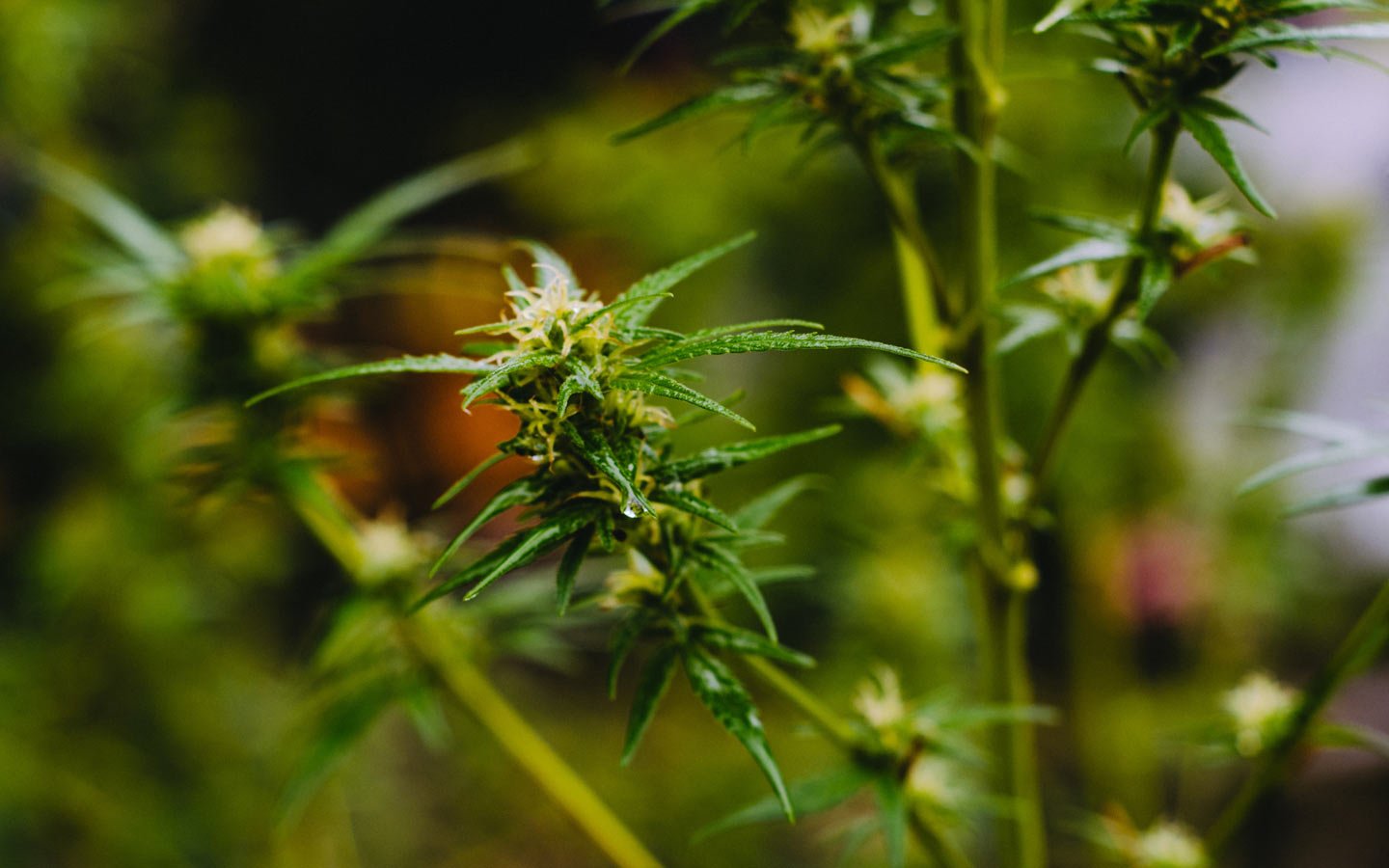
Hemp is also a very eco-friendly crop. It requires no pesticides and needs little water, yet it renews the soil with each growth cycle. Its long roots prevent erosion and help retain topsoil. Hemp also grows readily in most temperate regions.
The Benefits of Hemp
In many ways, hemp could be considered a miracle fiber. Consider the advantages:
Strong
Clothing made of hemp fiber is lightweight and absorbent, with three times the tensile strength of cotton. People have long valued this strong and long lasting plant: the first hemp plants were spun into fiber than 10,000 years ago.
Weather Resistant
UV and mold-resistant, hemp is excellent for outdoor wear.
Versatile
Hemp can be blended with other fibers for different qualities in the garment. Hemp/silk and hemp/cotton garments are now available for added comfort.
Cost-Effective
Hemp is less expensive to farm because of its minimal growth requirements. Hemp plants grow quickly, producing 5-10 tons of cellulose fiber pulp per acre in four months.
Easy on the Environment
Hemp farming uses very little water (half as much as cotton), does not require the use of chemical pesticides or fertilizers, and is a readily renewable resource. Furthermore, nothing is wasted in the hemp production process: seeds are used to make oil and food supplements, while the stalks are used for fiber. Hemp also produces more fiber per acre than trees, and can be renewed two to three times per year. Not only that: industrial hemp plants absorb more carbon dioxide than trees.

Is Hemp The Same As Marijuana?
Both hemp and marijuana are varieties of the cannabis sativa, but hemp contains less delta-9-tetrahydrocannabinol (THC), the psychoactive substance in marijuana. This makes it unusable as a recreational product. In most countries where industrial hemp is grown, governments legislate a THC limit for hemp products. In Canada and the US, this limit is 0.3 percent: that’s less than one-tenth of marijuana, which usually contains at least 3 percent.
How is Hemp Processed?
The cellulose fiber from hemp is used to make many products, including jeans, shirts, dresses, hats, bags, ropes and canvas, skin care products, building materials, paper and many food products. Henry Ford even once made a car partially from hemp to help out American farmers. Until the 1920’s, 80% of clothing was made from hemp textiles.

1. European enzyme-treated fibre
2. Chinese fibre
3. NRC enzyme-treated fibre
China, the world’s leading producer of hemp fabric, uses chemical methods for processing hemp, while producers in Europe have begun using cleaner biologically-based enzyme technology. Neither method produces fabric with the same whiteness and softness as cotton. As a consequence, hemp clothing is often blended with cotton, which from an environmental perspective, consumes far more resources than hemp.

Images: National Research Council Canada
To address this concern, Hemptown Clothing and the Canadian federal science organization NRC have collaborated to patent an innovative enzyme process that transforms industrial hemp into a soft, white “Canadian cotton” product, called Crailar.
Is Hemp Controversial?
Unfortunately, the politics of hemp has for over 60 years interfered with the development of hemp-based textiles and many other useful hemp products. A campaign of misinformation, initiated early in the 20th century, stands in stark contrast to scientific evidence. As noted above, the hemp plant grown commercially for fiber has no significant value as a recreational drug. George Washington even grew hemp for the production of rope and other materials.
The hemp plant commercially grown for fiber has no significant value as a recreational drug.
Recognizing this distinction and the opportunities presented by hemp cultivation today, many countries have moved to legalize industrial hemp. Today, hemp is grown around the world, including Europe, Russia, Ukraine, China, Australia, and North America. According to the Hemp Industries Association, the total domestic value of 2015 retail hemp products sold in the US was $573 million. Much of the raw material used in producing those products was imported, but that’s changing quickly as the US moves towards federal regulation.
The value of this versatile, easy to grow, eco-friendly crop is becoming more and more apparent. In many places, hemp farmers routinely make more than 10 times the amount per acre than grain farmers. This represents a promising option for farmers whose current crops experience reduced demand. Tobacco farmers take note!

Where to Find Hemp Clothing
- Hemp Authority: Hemp clothing and accessories from head to toe
- Vital Hemp: Tops, pants, and shorts for men and women, logowear, accessories, etc.
- Faerie’s Dance: Women’s fashions in hemp, soy, organic cotton, and bamboo
- Dash Hemp: Upscale hemp clothing for men and women
- Nomads Hemp Wear: hemp clothing for men and women