




These ‘good’ insects prey on many common garden insect pests and offer the gardener a safer, natural alternative to pesticides.
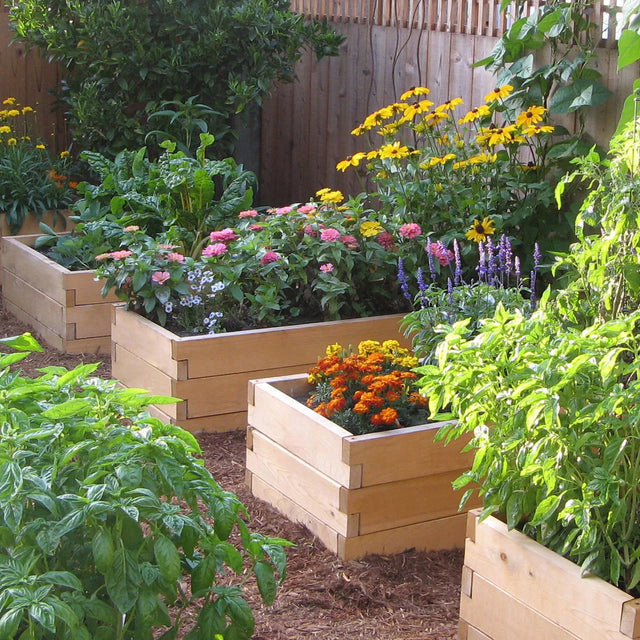
A garden insectary is a form of companion planting, based on the positive effects plants can share as a method of deterring pests, acquiring nutrients or attracting natural predators. By becoming more diverse with your plantings, you are providing habitat, shelter, and alternative food source, such as pollen and nectar, something many predators need as part of their diet.
The plot does not have to be large, just big enough to hold 6-7 varieties of plants that attract insects.
Aphid predators need pests to be present in order to reproduce. The idea of inviting pests in may seem alarming, until you understand that you can encourage host-specific pests. These pests will remain on plants in your mini insectary, yet provide an ideal breeding ground for associated predators and parasites.
The plot does not have to be large, just big enough to hold 6-7 varieties of plants which attract beneficial insects. Once the garden has matured you can watch your personal insect security force do the work for you.

Ladybugs can be effective predators for aphids wreaking havoc on your cole crops.
| “Mini Insectary” Plants | Beneficial Predators Attracted |
|---|---|
| Achillea filipendulina | Lacewings, Aphidius, Ladybugs |
| Alyssum | Hoverflies, Lacewings, Tachnid flies |
| Amaranthus | Ground beetles |
| Anethum graveolens (Dill) | Ichneumon wasp, Ladybugs, Lacewings |
| Angelica gigas | Lacewings |
| Convolvulus minor | Ladybugs, Hoverflies |
| Coreopsis | Hoverflies, Lacewings, Parasitic wasps |
| Cosmos bipinnatus | Hoverflies, Parasitic wasps, Lacewings |
| Digitalis | Dicyphus |
| Daucus Carota (Queen Anne's lace) | Lacewings, Ladybugs, Hoverflies |
| Foeniculum vulgare (Fennel) | Foeniculum vulgare (Fennel) |
| Helianthus annulus | Pirate bugs, Beneficial mites |
| Iberis umbellata | Hoverflies |
| Limonium latifolium (Statice) | Hoverflies, Parasitic wasps |
| Lupin | Aphidius, Aphidoletes, Hoverflies |
| Melissa officinalis (Lemon balm) | Parasitic wasps, tachinid flies |
| Petroselinum crispum (Parsley) | Parasitic wasps, hoverflies, tachinid flies |
| Scabiosa (Pincushion flower) | Hoverflies, Parasitic wasps |
| Shasta Daisy | Pirate bugs, Beneficial mites |
| Sunflowers | Pirate bugs, Aphidius, Parasitic wasps |
| Tanacetum vulgare (Tansy) | Ladybugs, Lacewings |
| Verbascum thaspus | Dicyphus |
| Yarrow | Hoverflies, Parasitic wasps, Ladybugs |

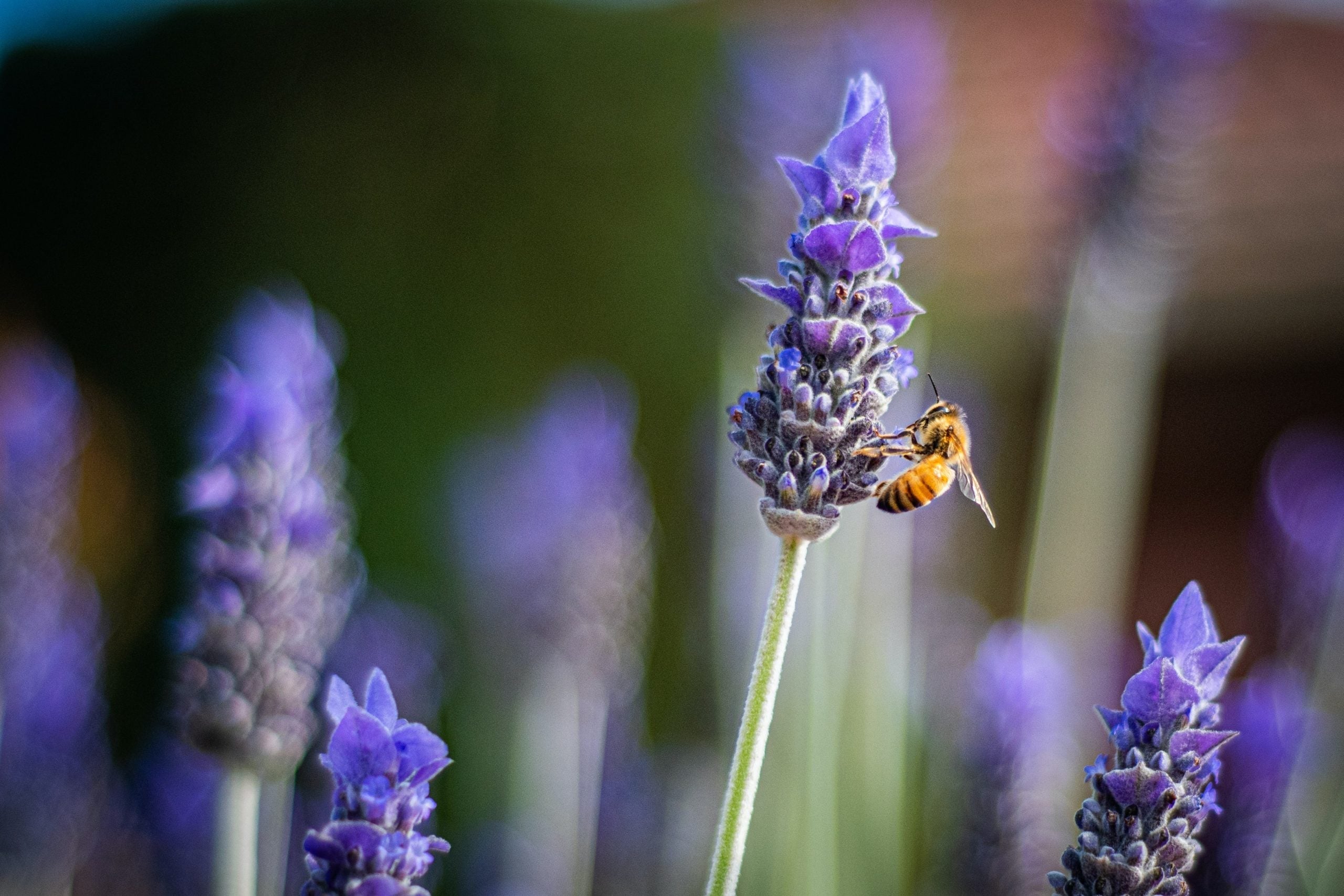
A variety of flowering plants will attract pollinators to your garden.
| Beneficial Predators | Prey |
|---|---|
| Aphidius | Aphids |
| Aphidoletes | Aphids |
| Beneficial mites | Thrips, spidermite, fungus gnats |
| Damsel Bugs (Nabidae) | Eggs of many pest insects |
| Dicyphus | Whiteflies, aphids, thrips, spider mites |
| Ground Beetles | Slugs, small caterpillars and grubs |
| Hoverflies | Aphids, mealybugs and others |
| Lacewings | Scale, aphids, mites, softbodied insects |
| Ladybugs | Aphids, mites |
| Pirate Bugs | Thrips, aphids, mites, scales, whiteflies |
| Tachinid flies | Caterpillars, beetle and fly larvae |
| Wasps (parasitic) | Whiteflies, moth, beetle and fly larvae |
Tips and Suggestions for Your Insectary
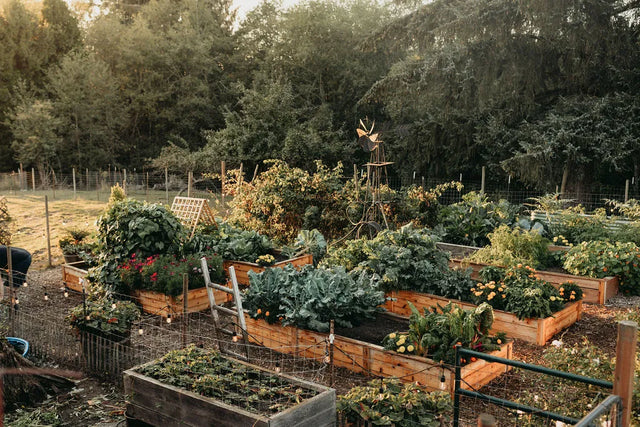
- Intersperse vegetable beds with rows or islands of insectary annuals. This will add decorative elements to your vegetable beds while luring beneficials toward prey.
- Allow some of your salad and cabbage crops to bloom. Brassica flowers (cabbage, kale, broccoli, brussel sprouts, bok choy) are also attractive to beneficial insects.
- Include plants of different heights in your insectary. Ground beetles require the cover provided by low-growing plants such as thyme, rosemary, or mint. Lacewings lay their eggs in shady, protected areas, so providing such places near crop plants is a good idea.
- Tiny flowers produced in large quantity are much more valuable than a single, large bloom. Large, nectar-filled blooms actually can drown tiny parasitoid wasps.
- Members of the Umbelliferae family are excellent insectary plants. Fennel, angelica, coriander, dill, and wild carrot all produce the tiny flowers required by parasitoid wasps.
- Composite flowers (daisy and chamomile) and mints (spearmint, peppermint, or catnip) will attract predatory wasps, hoverflies, and robber flies.
- Grow green manure. Clover and vetch, commonly used as cover crops for soil enhancement, are also effective insectary plants.
- Herbs (coriander, dill and fennel) will attract hoverflies, lacewings, ladybugs, and tachinid flies to your garden. Coriander (cilantro) is one of the top insectary plants. Caraway, chervil, dill, fennel, and parsley flowers are also valued insectary plants.
Related: 5 Early Season Plants to Attract Pollinators to Your Garden
Beneficial insects for the long term
A garden insectary should be thought of as a long-term permanent component of your garden. Results are not instant and conclusive; rather, the benefits to your garden are cumulative. As your plantings mature and resident populations of beneficial insects are established, the need for chemical pesticides and other aggressive insect control techniques will diminish. Your garden will become a more natural and balanced environment for the healthy production of vegetables and flowers.