





Thanks to improvements in farming, shipping, and distribution, shoppers today enjoy a wider selection of fresh produce than ever before. However, pesticide residue on some fruits and vegetables can be a cause for concern. In fact, fruits and vegetables on the 'highest levels' list below contain 47 to 67 pesticides per serving.
Although one should use caution when buying produce, it is most important to note that the benefits of eating fresh fruits and vegetables far outweigh the risks associated with pesticide residue.
Most countries monitor residual levels of pesticides in produce, and establish legal limits for the safety of consumers. In some cases, however, these residual levels may be toxic for children, pregnant women, and even pets.
The US FDA maintains that consuming pesticides in low amounts is harmless, but some studies show an association between pesticides and health problems such as cancer, attention-deficit (hyperactivity) disorder and nervous system disorders and say exposure could weaken immune systems.
A study by Consumers Union, the publishers of Consumer Reports magazine, examines and rates the residual levels of pesticides on many common fruits and vegetables. A report by the Environmental Working Group, using data from the U.S. Food and Drug Administration, has found that much of the health risks associated with pesticides are concentrated in a relatively small number of fruits and vegetables. The list below is compiled from these reports.

Produce with Highest Levels of Pesticide Residue
| Fruit/Vegetable | Nutrients | Substitutions (approx. nutritional equivalent) |
|---|---|---|
| Strawberries | Vitamin C | Blackberries, raspberries, blueberries, kiwi, orange, cantaloupe |
| Bell peppers, green | Vitamin C | Green peas, broccoli, romaine lettuce |
| Bell peppers, red | Vitamins A, C | Carrots, broccoli, brussels sprouts, tomatoes, asparagus |
| Spinach, lettuce | Vitamins A, C, folic acid | Broccoli, brussels sprouts, asparagus, Romaine lettuce |
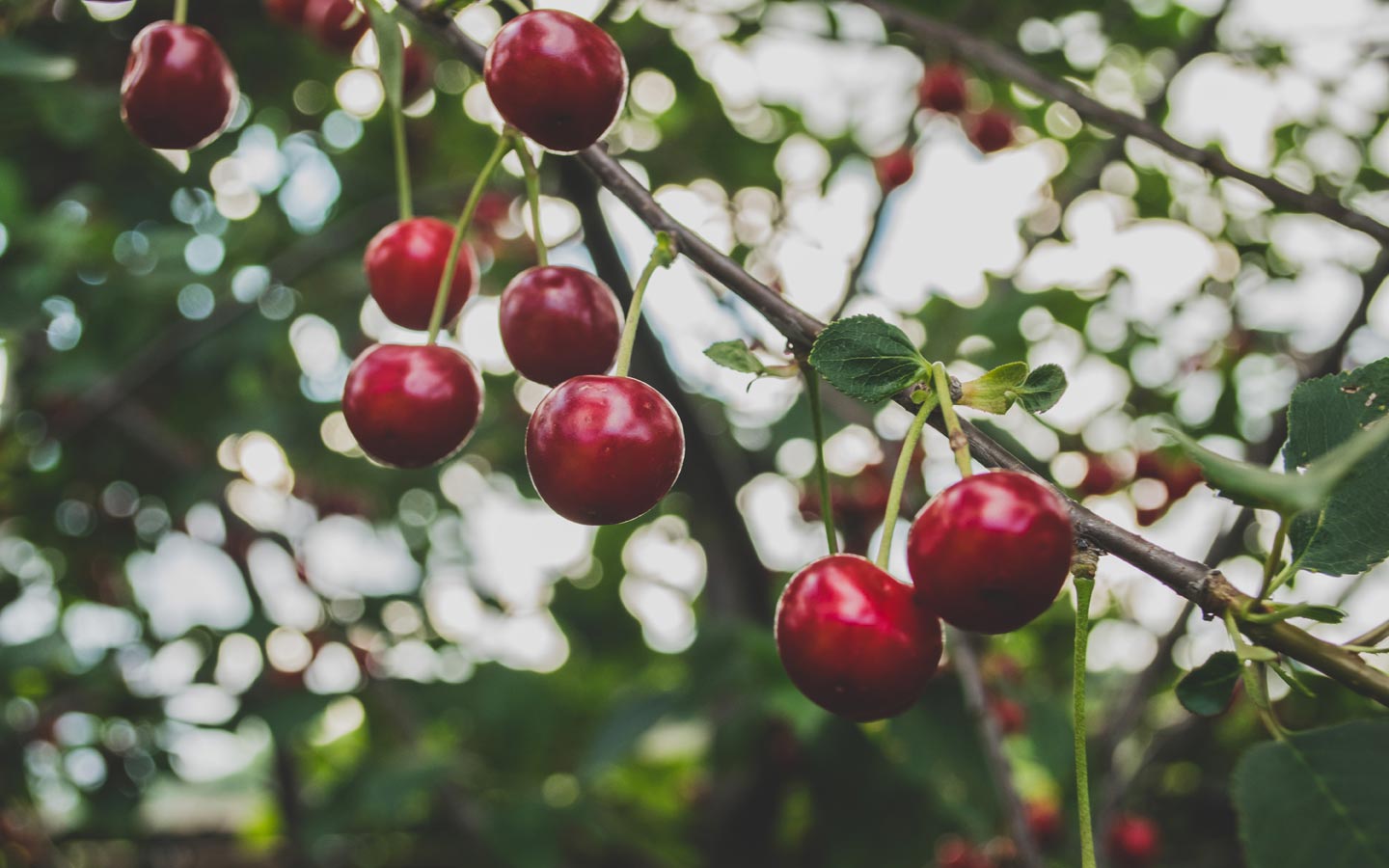
| Cherries (US) | Vitamins A, C | Grapefruit, blueberries, raspberries, cantaloupe, orange |
| Peaches, nectarines | Vitamins A, C, E, Potassium | Canned peaches, cantaloupe (US), tangerine, grapefruit, watermelon |
| Blueberries | Carotenoids | Raspberries, raisins, red currant, huckleberries |
| Celery | Vitamins A, C, Potassium | Carrots, broccoli, radishes, romaine lettuce |
| Apples | Vitamins A, C, Potassium | Oranges, banana, kiwi, watermelon, tangerine, mango |
| Apricots | Carotenoids | Cantaloupe (US), watermelon, tangerines, grapefruit |
| Green Beans | Vitamin C, Potassium | Green peas, broccoli, cauliflower, Brussels sprouts, asparagus |
| Grapes (Chile) | Vitamin A, Potassium | Grapes (US), in season |
| Cucumbers | Vitamins A, C, folic acid | Carrots, romaine lettuce, broccoli, radishes |
| Pears | Vitamins A, C, folic acid | Canned pears, canned peaches, oranges |
| Winter Squash (US) | Potassium | Winter squash (Honduras, Mexico), sweet potatoes (US) |
| Potatoes (US) | Vitamin C, folic acid | Sweet potatoes (US), carrots, winter squash (Honduras, Mexico) |

Produce with Lowest Levels of Pesticide Residue
| Avocados | Vitamins A, C, folic acid |
| Sweet Corn (frozen) | Carotenoids, folic acid |
| Onions | Trace vitamins, carotenoids |
| Cabbage | Vitamin C, potassium |
| Cauliflower | Vitamin C, potassium |
| Brussels Sprouts | Folic acid, vitamins A, C |
| Eggplant | Vitamins A, C, folic acid |
| Mangoes | Beta carotene, vitamin C |
| Grapefruit | Vitamins A, C, calcium |
| Bananas | Potassium, vitamin C |
| Kiwi Fruit | Vitamin C |
| Asparagus | Folic acid, vitamins A, C |
| Watermelon | Potassium, vitamins A, C |
| Broccoli | Potassium, vitamins A, C |
| Cantaloupe (US) | Vitamin A, C, calcium |
| Sweet Peas (frozen) | Beta carotene, niacin |
Information Sources:
Consumers Union
Environmental Working Group
U.S. Food and Drug Administration
San Diego Earth Times
Environmental Protection Agency

How to Make Produce Safer
Buy Organic
Produce which is “Certified Organic” will cost more, but is your best assurance of pesticide-free status. Although the chart above is useful, it is not 100% accurate; growing methods can change, and country-of-origin considerations make it more difficult to know exactly what you’re buying. For example, the US exports annually 100 – 150 million lbs. of banned (in the US) pesticides, and then imports fruit which may be grown using these pesticides. Buying organic, in-season produce from your local market is the best assurance of pesticide-free produce. If you are on a limited budget, look for organic choices for the produce your family eats the most.
Vegetable and Fruit Washes
Commercial vegetable and fruit washes are available which are formulated to remove chemical residue from produce. Examples are Environné and Vitanet, available online or at your local health food stores and some supermarkets. You can also make your own produce wash using a very diluted solution of mild dishwashing detergent (1 tsp detergent per gallon, or 4 liters, water).
For grapes, strawberries, green beans, and leafy vegetables, swirl the foods in a dilute solution of dish detergent and water at room temperature for 5 to 10 seconds, then rinse with slightly warm water.
For the other fruits and vegetables, use a soft brush to scrub the food with the solution for about 5 to 10 seconds, then rinse again with slightly warm water.
Not all pesticides can be washed off fruits and vegetables. Although some pesticides are found on the surface of foods, other pesticides may be taken up through the roots and into the plant and cannot be removed.
Peel Fruits with Higher Residue Levels
Peeling fruits, especially peaches, pears and apples, will help remove residues. Be sure to keep the peelings out of the compost. Some pesticides permeate the skin of the fruit, so this method does not guarantee residual free produce in all cases.
Grow Your Own
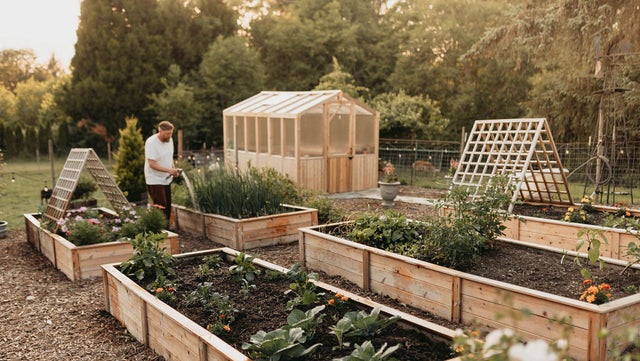
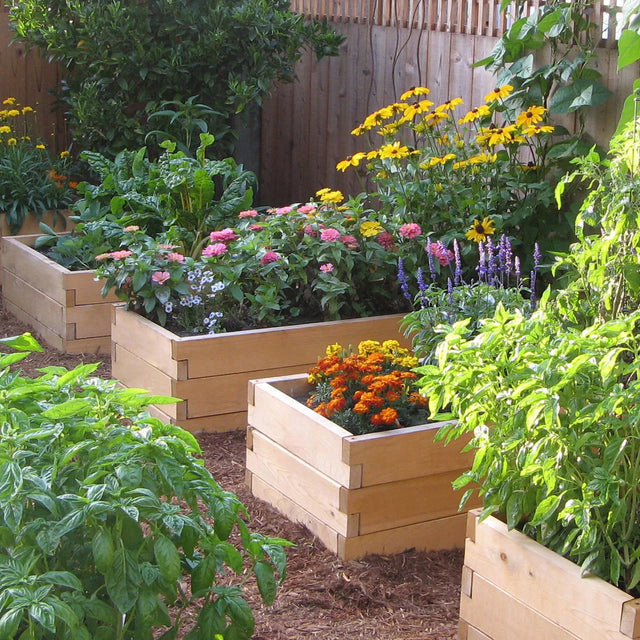
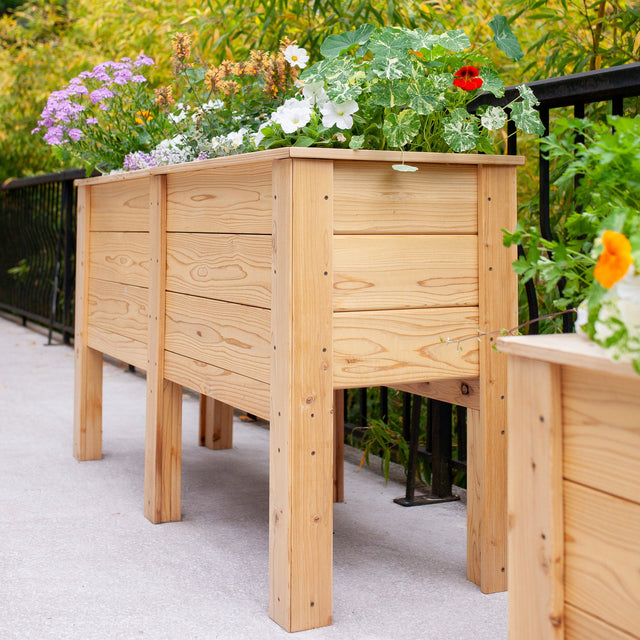
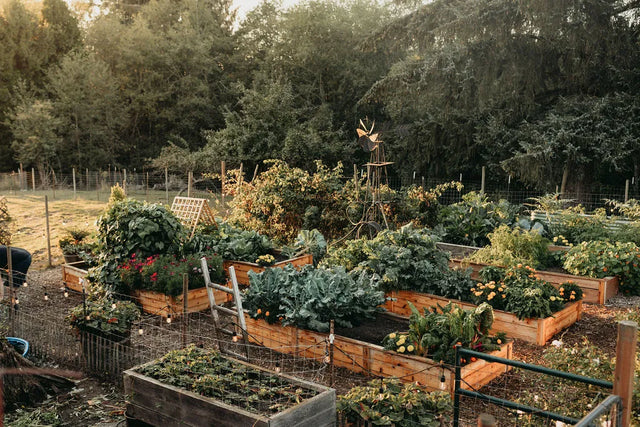
Looking at the list of most contaminated fruits and vegetables, you can chose to grow some of these yourself. Even a small backyard plot can be very productive for family use.
- Bell peppers, for example, are easy to grow in most hot or temperate climates, especially when grown in a garden cloche.
- Green beans and grapes can be grown vertically on trellises which can also serve as a shade provider during the summer months.
- Apples can be grown in most climates, and columnar varieties can even be grown in pots on the deck or rooftop. See our page on fruit trees.
- Peaches can be grown in the backyard in warm to hot climate zones, but often require a method of covering to protect the tree from rain-borne disease.
- Spinach and cucumbers are easy, if you have the ground space. You can plant one or two of these crops in your yard and encourage a neighbor to grow others – then share the harvests.