




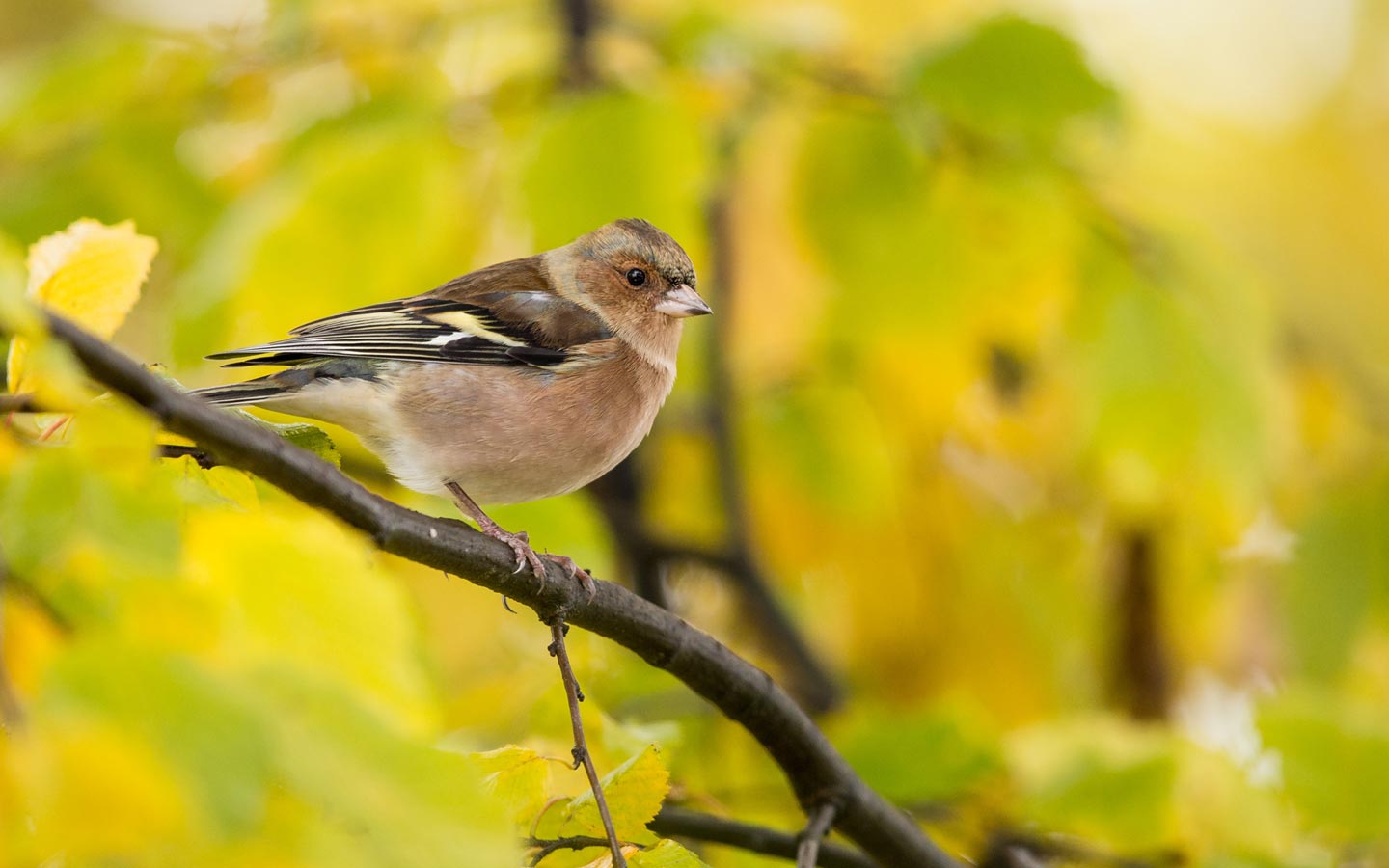
Birding is a fascinating, ever-changing activity that increases our awareness and appreciation of natural wildlife.
It's Absolutely for the Birds
This inexpensive, easy-to-learn pastime has much to offer:
- Challenging: Whether you’re birding for sport or pleasure, all the elements of the hunt are present. Stalking, listening, anticipating, and sighting bring all our senses into play, and the ‘prey’ is appreciated, not shot! The prize is a photo, a memory, or a shared experience.
- Rigorous or Relaxing: The pace is set by you.
- Solitary or With Companions: Each have their own benefits and rewards.
- All Ages Together: Age and gender are irrelevant. Keen observation skills and a curious spirit are all that’s required. Children, parents, and grandparents can enjoy a shared experience.

- Rural, Suburban, or Urban: Each environment is a different “safari”, with many different and varied species to discover.
- Close to Home, or Far Afield: The benefits of birding await you in your own backyard, a camping trip or far off on a family or business trip. For the business traveler, birding is a great break for a personal meditation or shared outing.
Getting Started
Getting started in the sport of birding could hardly be simpler. Few activities offer such rewards with so little expense and preparation. Here’s all you need:
Field Guide
Get a regional guide at your local bookstore. Look for a guide with good pictures, whether photos or colored illustrations, as you’ll rely on them for identification. Get a paperback edition, because it’s lightweight and will quickly become worn and ‘used’ in the field. Save the nice bound edition for the coffee table.
Binoculars
Or monocular, are a must. Smaller binoculars are easier to pack, less expensive, and good enough for all but the more serious birders. Sharing binoculars does not work: each person should have his or her own. Inexperienced birders will do best with a power magnification of 7 or 8; zoom lenses are not necessary. If you wear glasses, get binoculars with rubber rings which fold back from the eyepiece.
Notebook
A small notebook with unlined pages is best. It will become a ‘treasure’ over time, filled with sightings, anecdotes, and sketches. Be sure to note behaviour specifics, such as flight patterns and resting locations, since these will help you identify the birds later. Sketching helps you focus on the sighting and better remember the details of each species. Entries can be colored or improved later at home.
Hat
The best hat for birders has a short brim all around for sun protection. Ball caps are not as good because they block overhead frontal views, and the long bill often interferes with the binoculars.
Compass and Map
Birding has a way of leading you on … and on! Be prepared if you’re going into new territory. Make notes in your notebook of landmarks and route changes you make. It is advisable to bring along a ‘ready-kit’ for your daypack and a personal water filter so you can drink water safely wherever you come to streams, lakes or other natural water sources.

When and Where
If you’re planning a birding expedition, best results can be had with these three simple words: Get up early!
You will see, and hear, ten times as much in the first hour or two of the day than you will at midday. The evening is also a good time as birds do their last minute foraging for the day. Different birds appear in the evening as well … listen for the rushing sound of the nighthawk in pursuit of the evening mosquitos, the late afternoon trills of the varied thrush looping through the forest, or the late evening hoots of nearby owls.
Good sightings of wildlife are often found at the “edges,” where field meets forest, hedge meets lawn, streamside meets glade. Birds seek the feeding opportunities they can see over an open area, while needing the protection of a covered canopy.
Another way to locate birds for sighting is to let them come to you. Look for a natural area which is off the beaten track and a likely refuge for wildlife. Wooded areas near a water source are ideal.
Find a dry, comfortable place to sit which is concealed somewhat by the natural flora. The main thing is to be comfortable, so you don’t have to move any more than necessary. Try to maintain absolute silence for fifteen minutes or so. It’s likely that wildlife will re-enter the area once the sound and signs of your presence are gone.
Backyard Birding
Even the homebound can cultivate and enjoy an interest in birding with a few simple enhancements to the backyard. Birdbaths and birdfeeders come in all shapes and models. Here are a few tips:
Birdbaths
- Shallow: Birds prefer puddles to tubs. The deeper baths are more fussy to clean and can become stagnant and unfit for birds.
- Running Water: Birds much prefer dripping or running water. A feeder with fountain is not just decorative, it will attract many more birds.
- Small: A small birdbath is likely to be cleaned more often. As the birdbath becomes fouled with droppings it becomes less healthy for birds. Diseases are transmitted through the bird population, and clean baths and feeders are the best prevention.
- Location: Birds are most comfortable when near an escape route. The cat is the problem. The pedestal should not be set among shrubs, bushes, or in tall grass. Nearby overhead branches are ideal.

Birdfeeders
Birdfeeders come in a great variety of shapes and styles with specific designs for attracting different species. Here are a few considerations for any kind of feeder:
- Easy to Clean: Feeders will get a buildup of seed hulls, bird droppings, and moldy clumps of seed. The feeder should be simple, easy to take apart and reassemble, and easy to clean. Line the underside of the roof with tin foil to deter bees from nesting in the feeder.
- Small, But With a Large Roof: No matter how good the design, birdseed is often wasted in large feeders. Moisture is the main cause, clumping seed together and plugging hopper feeders, or blocking the ports on tube feeders. Even if you have a large feeder, it may be best to fill it only partially. Choose a feeder with a large roof which will help keep the seed dry.
- Visible: The location of your feeder should give birds the advantage over cats and squirrels, and give you a good line of sight from inside your house. Feeders should be set back from shrubs which provide hiding places for cats. Birds will avoid feeders that do not exhibit a clear surround and a ready escape flightpath. Don’t locate feeders near a large window, though, or in the flight path of kids’ play where frisbees or balls will scare the birds away.
- Height: Different birds feed at different levels. Wherever you place your feeder, be sure to scatter some seed on the ground in different locations to attract and feed ground-feeding birds. Scatter ground feed in the open, giving the birds a chance to flee from cats.
Cleaning the Birdfeeder
It is recommended that you clean your feeders once a month, especially if the feeder is covered with bird droppings or if the birdseed is getting moldy. Use a spray bottle of bleach and water, with a ratio of nine parts water to one part bleach. Do not save or reuse seed in the feeder which may be damp or starting to mold. Scrub out feeder with a dish brush, and be sure the feeder is dry before adding new seed. Complete the job by raking up old birdseed and droppings on the ground beneath the feeder.

What to Feed the Birds
The first and most important consideration in feeding birds is the quality of the feed. There are many types of birdseed and not all of them appeal to all backyard birds. The best tip is to choose seed which appeals to the birds already in your yard, as this will increase feeding activity which then attracts other bird species.
Birds have smaller, more delicate systems, and are therefore more susceptible to toxins found in herbicides and pesticides. Care should be taken to ensure that the bird feed you choose is organic. Feed which is hulled, such as sunflower, safflower and peanuts is less likely to have direct chemical contamination.
- Sunflower seeds: The best seed for birds is sunflower, especially black-oil sunflower, which is high in oil and has a soft, easy to crack hull. Less expensive than the grey and white striped sunflower seeds, black oil sunflower seed attracts many of the most sought after birds. It is also available “hulled,” which eliminates the mess of hulls accumulating beneath the feeder. Hulled seeds, however, are more likely to spoil if exposed to moisture.
- Proso millet: This seed comes in red and white varieties, with white millet more preferred. Higher quality seed mixes show a minimum of the red variety. House sparrows and starlings, considered to be a nuisance at feeders, will be attracted to millet, so cut back on millet if these birds are taking over the feeder.
- Niger: Niger is a small, black, fairly expensive seed that attracts smaller bird species such as finches, redpolls, and crossbills. Plastic tube-style feeders are recommended for this seed to reduce waste and spoilage.
- Peanuts: Attract a broad variety of birds, from jays to nuthatches, cardinals and woodpeckers, chickadees and titmice. More expensive than most birdseeds, peanuts should be offered in smaller amounts to reduce waste by spoilage.
- Corn: Common in many bulk seed mixes, corn can be offered finely cracked, whole kernel, or even on the cob. Smaller grinds will attract smaller birds. Corn will attract starlings, which some consider more of a nuisance at feeders.
- Safflower: The hulled seeds of safflower, a by-product of safflower oil production, are popular with many bird species without attracting starlings and sparrows. More expensive than sunflower seeds, safflower adds good variety to your mix.
Feeding Tips
- Store feed in covered, dry containers. Moisture will spoil the birdseed quickly.
- Put out small amounts of seed at a time to reduce waste and predation by raccoons and squirrels.
- Give the birds a variety of seeds in different locations.
- Wash your hands after tending the feeder.
- Experiment with different seed mixes to see which species are attracted.