

A basic understanding of the ways of nature is essential to our commitment towards stewardship of the natural environment.
Any age can participate, you can go at your own pace, and everyone enjoys the lasting benefits. Young children especially can learn the basics of nature appreciation through their own window into the natural world.

Make A Plan
Once you’ve read some of the basics on this page and considered the assets of your yard, have the family plan the habitat. Make a sketch of the long-term plan. This will keep the project on course and be a reference as new plantings are added in the future.
Develop the Wildlife Habitat
The four basic needs of your wildlife visitors are: FOOD, WATER, COVER and NESTING. Keep these needs in mind as you plan a backyard wildlife habitat, and consider the following:
Plantings
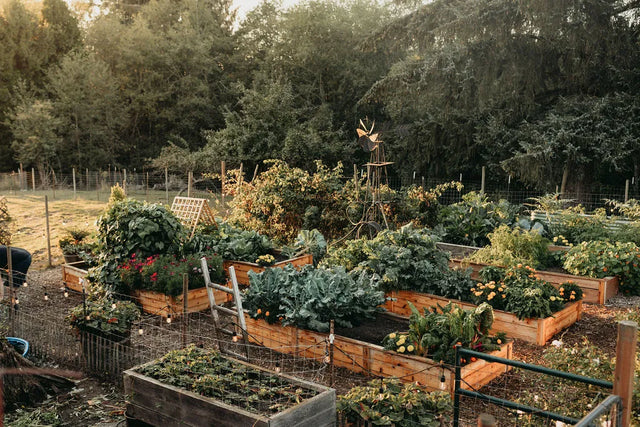
Trees and shrubs are the main elements of any landscaping design and are important for wildlife shelter. Many tree and shrub species are excellent sources of food for wildlife. Select evergreen species for year-round cover and shelter. Select fruit or nut-bearing plants for a food source. Deciduous trees (leaf-dropping) can offer summer shelter for wildlife as well as shade for your home, while allowing light to get through during the darker winter months.
Plants native to your area will work best. The native plants are adapted to your growing conditions and produce foods and shelter compatible with local wildlife. Select plants that flower and bear fruit at different times of the year.
Plant in clusters, and multi-level. Have shrubs leading to small trees, alongside larger trees. Wildlife is attracted to multi-storey flora for shelter and forage. Diversity in the landscape is necessary. Some plants provide food but very little cover; others provide cover but little food.
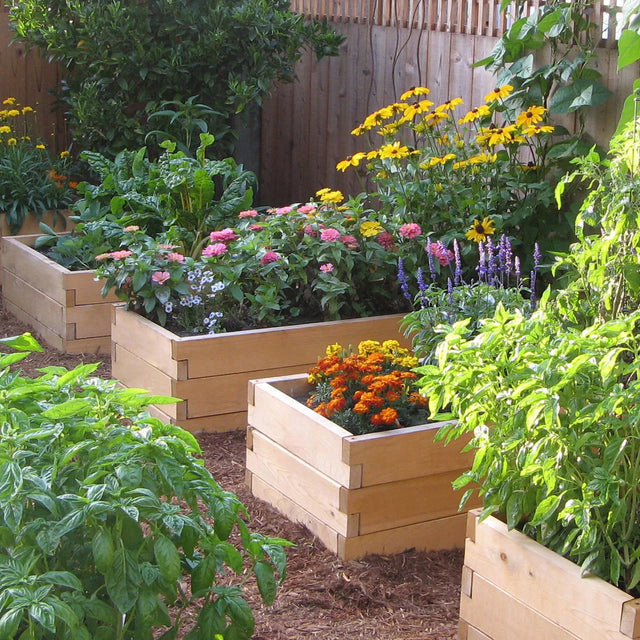
Plant flowers to provide natural nectar. Tubular red flowers will attract hummingbirds; clusters of brightly colored flowers attract butterflies. Flowering annuals and perennials bring color to the yard and can be easily added or removed for variety and appearance.
Plant vegetation around pools, ponds, or streams. This provides cover for critters attracted to the water. Water sources will attract more species to your backyard wildlife habitat.
Leave dead and dying trees when possible. They attract woodpeckers, owls, wrens, and insects for food.
Planting to Attract Birds
If you’re looking to attract specific bird species to your yard, here are some common plants and trees and the birds they attract:
Sunflower: “Nature’s bird feeder” attracts many birds such as chickadees, cardinals, titmice, nuthatches, and buntings
Fuchsia, foxglove, bee balm, beardtongue: Hummingbirds
Roses: Cardinals, sparrows, towhees
Bramble Berries (raspberries, blackberries): Wrens, catbirds, towhees
Elderberries: Warblers, goldfinches, grosbeaks
Zinnias, Cosmos: Goldfinches
Holly: Mockingbirds, towhees
Juniper: Thrushes, bluebirds, flickers, warblers,mockingbirds, sparrows
Mountain Ash: Towhee, bluechat, oriole, bluebird, cedar waxwing
Pines: Finches, warblers, robins, chickadees
Dogwoods: Summer tanagers, Bell’s vireos, sapsuckers, thrush
Oaks: Woodpeckers, orioles, blue jays
Spruce: Sparrows, warblers, pine siskin, nuthatch, crossbill
Firs: Blue jays, robins, sparrows, tanagers

Planting to Attract Butterflies
You can attract butterflies with a number of nectar producing plants. Butterflies prefer plants with large petals that provide a perch, though multiple small florets will also attract them. Butterflies are attracted to purple flowers, followed by yellows, pinks, and whites.
The butterfly weed (Asclepias tuberosa) is especially preferred by butterflies.
Other popular nectar plants include: marigold, primrose, sedum, dandelion, coneflower, hollyhock, lantana, goldenrod, aster, yarrow, nasturtium, honeysuckle, viburnum, lilac and zinnia.
Butterflies prefer the heat and are most active on sunny, warm days. They need “sunning” sites where they can warm up on cool mornings. Put a light-colored rock or concrete garden sculpture where the morning sun first appears. Butterflies also need a source of water. A shallow dish of water or a depression in a rock that retains water is ideal.
Butterflies begin their lives as caterpillars, and most caterpillars are leaf-eaters. Don’t worry if you see a few caterpillars or damaged leaves, but do target a serious infestation. Use a strong jet of water to wash away aphids or spider mites, and burn any tent caterpillar nests. Avoid using pesticides or herbicides, which can harm beneficial host and food plants and kill bird-attracting insects.
Monitor
A backyard wildlife habitat is a work in progress. You’ll find some things that work and others that don’t, such as specific plantings you favor or critters you may want to discourage.
“You can observe a lot just by watchin’. – Yogi Berra”
Keep a pair of binoculars and a pad with pencil near the best viewing window. Encourage your children to keep a record of sightings and observations. Review this journal with your children and acknowledge their interest and enthusiasm. As you learn from experience, you can “fine tune” your backyard wildlife habitat to encourage the species you most enjoy.
Tips
- Before getting started on your backyard wildlife habitat, check with neighbors and call your local planning department or zoning bylaw authority to be sure any changes you make to your yard are permissible. Unfortunately, many suburban developments discourage any departures from the typical mowed lawn with a few shrubs.
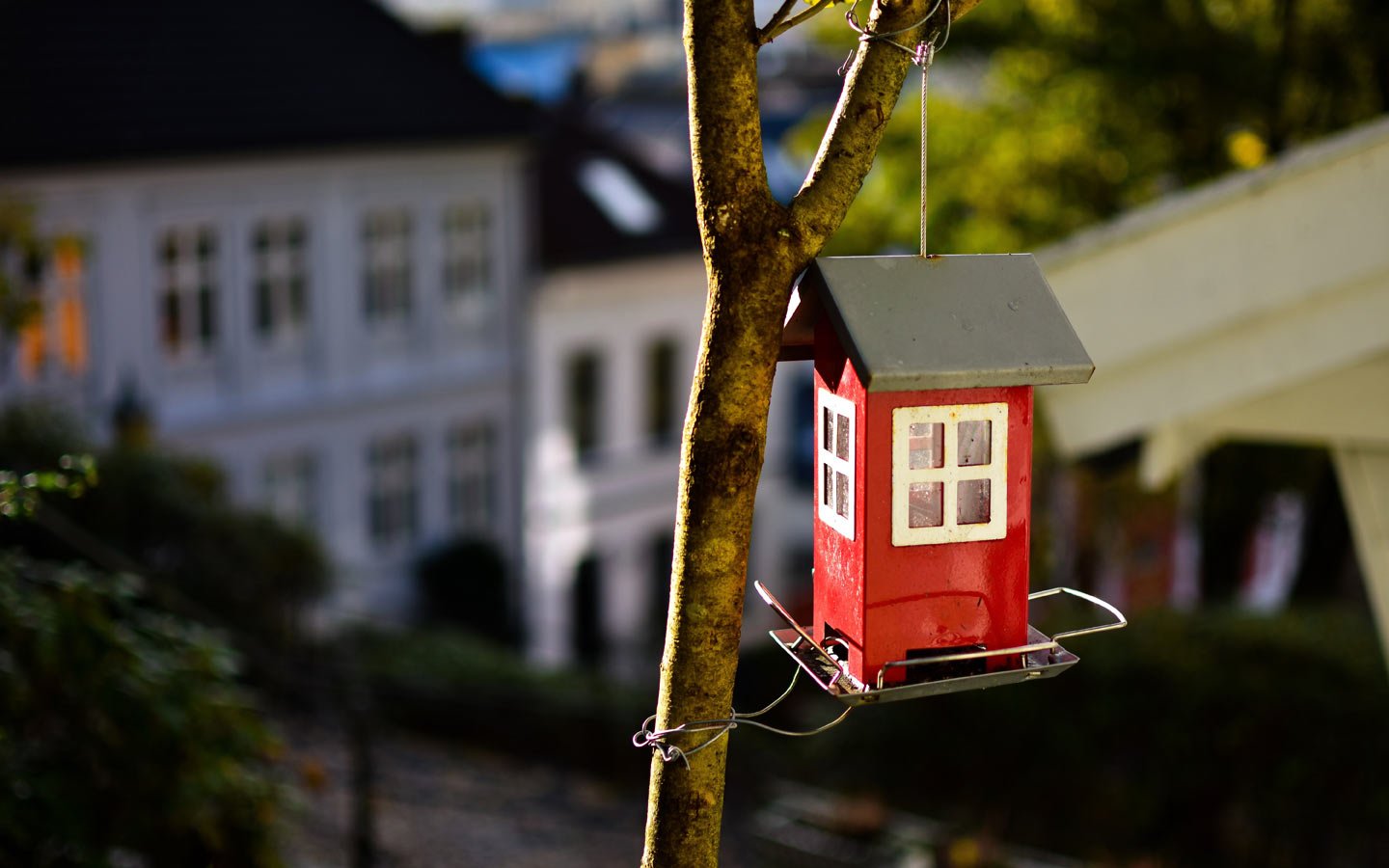
- Locate birdfeeders, birdhouses and birdbaths near cover. Birds need escape routes, especially from cats. Overhanging branches from nearby trees are ideal. Feeders should be at least 6’ to 7′ off the ground, and several feet from any tree trunks to discourage squirrels.
- Before setting out feeders or nesting houses, find out which species are common in your area and can be encouraged to nest in your yard. Make or buy a birdhouse specifically designed for the bird you wish to attract. The size of the entrance hole is critical to prevent the eggs and young from being destroyed by larger birds–always check a list of appropriate hole sizes. More information about feeders and what kinds of feed to use can be found on our Birding page.
- Fruit-bearing shrubs and trees will attract birds. Locate where dropped fruit will not be a bother to your use of the yard.

- Insect problems? Build a bat house (we’ll have plans on this site soon). Bats can consume 3000 mosquitos a night.
- Pests: Discourage pests by covering window wells and patching holes around the house foundation. Cedar lattice under the deck will keep pests out from under. Keep garbage and compost pile secure from pests. Squirrels can be deterred from taking over your birdfeeders by setting out food for them away from the feeders – they will mark that area as their own, and be less interested in the birdfeeder.
- Water: With birdbaths and small ponds, keep the water moving if possible, especially in a freeze. Set out a dish of water by the feeder during a freeze-up.